
Japan has emerged as the most popular travel destination in Asia, drawing visitors with its distinctive culture, distinctive regional festival events, world-famous food, and enormous architectural masterpieces. The nation receives a sizable influx of visitors each year who come to take in the singular beauty seen only in the cherry blossom region.
Tokyo
Tokyo, the center of Japan, is not only a major hub for trade and business and the site of buildings that date back hundreds of years, but it is also a city rich in historical significance. Every individual may experience tradition and modernity in harmony.
Tokyo Imperial Palace
- Address: 1-1 Chiyoda, Chiyoda City, Tokyo 100-8111, Japan
- Opening hours: 09:00 – 11:15 & 13:30 – 14:45 (Thứ Ba – Thứ Bảy)
- Tokyo Imperial Palace Entrance fee: Free
With the appearance reminiscent of palaces in many other nations, the Tokyo Imperial Palace stands out among the busy, modern metropolis. The tall structures with curving domes, towers, stone walls, and dams that adorn the royal palace are typical of Japanese design and serve as a reminder to onlookers of the old guarded citadel tucked away among the trees. shadowy. Visitors who intend to visit the palace must, however, register in advance with the management board via phone or the official website and display that ticket when they arrive at the entrance in order to assure security.
Senso-ji Temple (Asakusa Temple)
- Address: 2-3-1 Asakusa, Taito-ku, Tokyo, Japan
- Opening hours: 06:00 – 18:30
- Entrance fee: Free
Asakusa’s Sensoji (浅草寺, Sensōji, also called Asakusa Kannon Temple) is a Buddhist temple. This is one of the most well-known and colorful temples in Tokyo. According to legend, two brothers pulled the statue of Kannon, the goddess of mercy, out of the Sumida River in 628. The statue always found its way back to them, even after they had reinserted it into the river. Sensoji, Tokyo’s oldest temple, was constructed next door for the goddess Kannon as a consequence, and it was finished in 645.
Visitors must first pass through Kaminarimon, also known as the Thunder Gate, which is the outside gate of Sensoji Temple and a representation of both Asakusa and Tokyo as a whole. The retail strip that leads from the outer gate to the second Hozozmon gate of the temple is called Nakamise. It is here that a variety of trinkets and traditional delicacies from the area are on exhibit. There’s also the 53-meter-tall, five-story pagoda in the southwest and the intricately carved Asakusa temple in the northeast.
Tokyo Skytree
- Address: 1-13, Ogata, Sumida-ku, Tokyo, Japan
- Opening hours: 10:00 – 21:00
- Tokyo Skytree Entrance fee as follow:
| Type of ticket | Category | Fee (JPY) |
| Tembo Deck (Monday – Friday) | Child 06-11 years old | 850 |
| Youth 12-17 years old | 1,400 | |
| Adult 18 years old & up | 1,800 | |
| Tembo Deck (Saturday – Sunday) | Child 06-11 years old | 900 |
| Youth 12-17 years old | 1,500 | |
| Adult 18 years old & up | 2,000 | |
| Tembo Galleria (Monday – Friday) | Child 06-11 years old | 500 |
| Youth 12-17 years old | 800 | |
| Adult 18 years old & up | 1,000 | |
| Tembo Galleria (Saturday – Sunday) | Child 06-11 years old | 550 |
| Youth 12-17 years old | 900 | |
| Adult 18 years old & up | 1,100 | |
| Tembo Deck & Tembo Galleria (Monday – Friday) | Child 06-11 years old | 1,300 |
| Youth 12-17 years old | 2,150 | |
| Adult 18 years old & up | 2,700 | |
| Tembo Deck & Tembo Galleria (Saturday – Sunday) | Child 06-11 years old | 1,400 |
| Youth 12-17 years old | 2,350 | |
| Adult 18 years old & up | 3,000 | |
| Tembo Deck + Sumida Aquarium (Monday – Friday) | Child 06-11 years old | 1,780 |
| Child 12-14 years old | 2,180 | |
| Child 15-17 years old | 2,720 | |
| Adul 18 years old & up | 3,750 | |
| Tembo Deck + Sumida Aquarium (Saturday – Sunday) | Child 06-11 years old | 1,780 |
| Child 12-14 years old | 2,280 | |
| Child 15-17 years old | 2,820 | |
| Adul 18 years old & up | 3,900 | |
| Tembo Deck + Tembo Galleria + Sumida Aquarium (Monday – Friday) | Child 06-11 years old | 2,130 |
| Child 12-14 years old | 2,780 | |
| Child 15-17 years old | 3,320 | |
| Adul 18 years old & up | 4,450 | |
| Tembo Deck + Tembo Galleria + Sumida Aquarium (Saturday – Sunday) | Child 06-11 years old | 2,180 |
| Child 12-14 years old | 2,930 | |
| Child 15-17 years old | 3,470 | |
| Adul 18 years old & up | 4,700 | |
| Tembo Deck + TENKU (Monday – Friday) | Child 06-11 years old | 1,650 |
| Youth 12-17 years old | 2,500 | |
| Adult 18 years old & up | 2,900 | |
| Tembo Deck + TENKU (Saturday – Sunday) | Child 06-11 years old | 1,650 |
| Youth 12-17 years old | 2,600 | |
| Adult 18 years old & up | 3,050 | |
| Tembo Deck + Tembo Galleria + TENKU (Monday – Friday) | Child 06-11 years old | 2,000 |
| Youth 12-17 years old | 3,100 | |
| Adult 18 years old & up | 3,600 | |
| Tembo Deck + Tembo Galleria + TENKU (Saturday – Sunday) | Child 06-11 years old | 2,050 |
| Youth 12-17 years old | 3,250 | |
| Adult 18 years old & up | 3,850 |
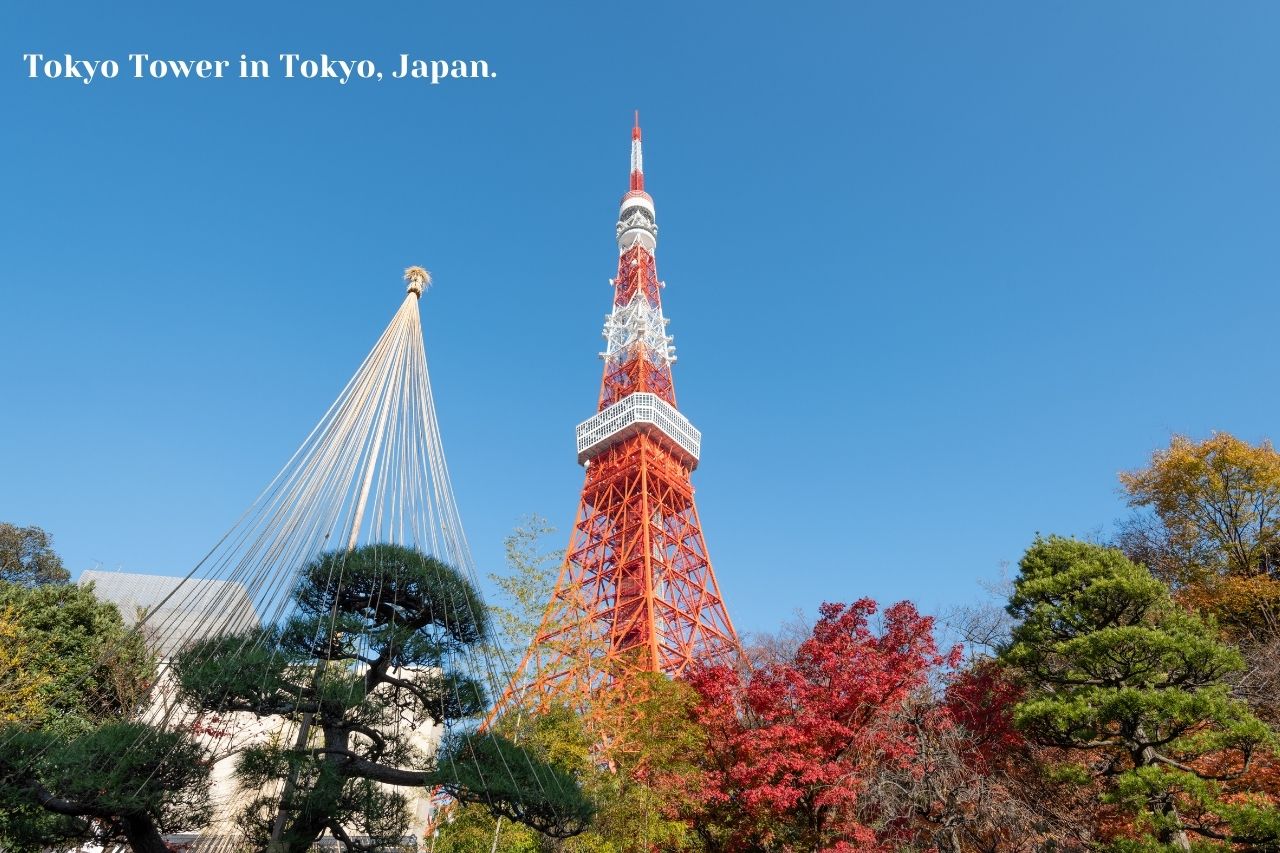
At 634 meters tall, Tokyo Skytree is the world’s highest television tower and has been in operation since 2012. It has come to represent Japan’s progress. Since the nation is prone to frequent, significant earthquakes, engineers made the decision to incorporate durable cylinders and equilateral triangular legs into the tower’s design in order to meet the security need of preventing natural disasters while balancing contemporary and traditional components. Standing at 350 meters and 450 meters, respectively, are two observation towers offering visitors sweeping views of Tokyo.
Tokyo Tower
- Address: 4-2-8 Shibakoen, Minato-ku, Tokyo, Japan
- Opening hours: 09:00 – 22:30
- Entrance fee as follow
| Type of ticket | Category | Fee (JPY) |
| Main Deck 150m | Child 04-06 years old | 500 |
| Child 07-15 years old | 700 | |
| Child 16-18 years old | 1,000 | |
| Adult 19 years old and over | 1,200 | |
| Top Deck Tour 150m & 250m | Child 04-06 years old | 1,200 |
| Child 07-15 years old | 1,800 | |
| Child 16-18 years old | 2,600 | |
| Adult 19 years old and over | 2,800 |
The Tokyo Tower, built in 1958 and standing for 65 years, is a source of immense pride for the nation known as the rising sun. At 333 meters high, the tower is the highest steel structure in both Japan and the whole globe. With two observation decks set up at 150 and 250 meters above the ground, guests will be able to take in the whole view of the city’s nighttime skyscrapers and shimmering lights. Since the observatory’s whole floor is composed of translucent tempered glass panels, it feels as though one is standing at the center of heaven and earth. Additionally, there are a ton of additional tourist attractions near the base of the tower, including museums, galleries, aquariums, and more.
Meiji Shrine (Meiji Jingu)
- Address: 1-1 Yoyogikamizonocho, Shibuya City, Tokyo 151-8557, Japan
- Opening hours: 05:20 – 17:20
- Entrance fee: Free
The Emperor Meiji Temple, also known as Meiji-jingu, is very conveniently positioned in the heart of Tokyo, making it simple for both residents and visitors to pay their respects to the Emperor. The temple is split into two main sections: Gaien (a boulevard lined with 100-year-old ginkgo trees) and Naien (a lyrical bonsai garden, Kiyomasa’s spring, and royal treasure museum). Visitors will wash their hands and mouths at the purifying station before entering the shrine. In order to write down wishes for luck, they can also purchase prayer cards.
Tokyo National Museum
- Address: 3-9 Uenokoen, Taito City, Tokyo 110-8712, Japan
- Opening hours: 09:30 – 17:00 (Tuesday – Sunday)
- Entrance fee: 1,000 JPY/adult | 500 JPY/university students
The Tokyo National Museum, the country’s oldest museum, is home to an enormous collection of artifacts that chronicle the cultural history of the land of rising sun. If you enjoy watching Samurai films, this location features a section that displays relics such Japanese swords and armor along with thorough explanations to provide visitors with helpful knowledge. After that, have a deeper understanding of the fine workmanship exhibited by artisans throughout several eras, explore the expansive grounds of the museum, take in the cultural characteristics included in six exhibition rooms, and try your luck. Get the chance to take part in the well-known Japanese tea ceremony in the spring and second half of fall.
National Museum of Nature and Science
- Address: 7-20 Uenokoen, Taito City, Tokyo 110-8718, Japan
- Opening hours: 09:00 – 17:00
- Entrance fee: 630 JPY
One of the largest scientific museums in Japan is the National Museum of Nature and scientific, which is situated in Ueno Park. The museum has more than 25,000 exhibits covering a wide range of topics, such as dinosaurs, space travel, Japanese ecosystems, and even the newest technological developments.
There are many of interactive learning opportunities and real objects in the National Museum of Nature and Science. The displays, which center on the idea of “coexistence between the human race and nature,” contribute to a deeper understanding of life on Earth, science, and technology. They also inspire contemplation on the optimal ways in which science, technology, the natural world, and humanity should interact. The preserved remains of two well-known pandas and Hachiko, a piece of the Nantan meteorite that struck China in the sixteenth century, and many other artifacts are on display.
Theater 36°, a 360-degree movie theater in the round, is one of the museum’s highlights. In addition, there is an indoor exhibition area for toddlers and their parents, a dinosaur-themed museum store, and an exhibition room where you may do hands-on investigations into various physical phenomena.
Ghibli Museum
- Address: 1 Chome-1-83 Shimorenjaku, Mitaka, Tokyo 181-0013, Japan
- Opening hours: 10:00 – 18:00 (except Tuesday)
- Ghibli Museum Entrance fee as follow
| Category | Fee (JPY) |
| Child 03 and under | Free |
| Child 04-06 years old | 100 |
| Child 07-12 years old | 400 |
| Youth 13-18 years old | 700 |
| Adult 19 years old and over | 1,000 |
The animation and art museum of Studio Ghibli, one of the most well-known animation companies in Japan, founded by Miyazaki Hayao, is called the Ghibli Museum (渉鷹の森ジブリ美術館, Mitaka no Mori Ghibli Bijutsukan). Numerous feature-length movies, including Spirited Away, Princess Mononoke, My Neighbor Totoro, and Ponyo on the Cliff by the Sea, have been created by them.
Fans of the movies should definitely visit the museum, which is situated in Mitaka, not far from Kichijoji and just outside of central Tokyo. Many of the studio’s well-known figures, including a life-sized robot from “Castle in the Sky” on the rooftop garden, are present in the whimsically built museum, which is in keeping with the distinct style of the studio’s movies.
The museum’s first floor has displays about the origins and methods of animation, as well as a tiny theater where visitors may watch museum-only short films by Studio Ghibli. There are unique temporary exhibitions on the second floor. The museum also features a gift store, a rooftop garden, a cafe, and a kids’ play area.
Shinjuku Gyoen
- Address: 11 Naitomachi, Shinjuku City, Tokyo 160-0014, Japan
- Opening hours: 09:00 – 16:00 (except Monday)
- Entrance fee: 500 JPY/adult | 250 JPY/student and senior from 65 years old | Free for child 15 years old and under
Don’t miss Shinjuku Gyoen Park in Tokyo; take in the limitless natural beauty and marvel at the vibrantly flowering flowers. Over 58 hectares of the park’s total size are split up into distinct theme gardens for each season of the year. This location dons the pretty pink gown of the pale pink cherry blossom woodland in the spring. In a lovely setting, guests may take pleasure in relaxing in the cool shade beneath the trees and observing the flowers. The park is particularly striking in the fall when the forest of trees turns a vibrant crimson in the sky, a sight that is representative of the weather in Japan during the final few months of the year.
Ueno Park
- Address: Uenokoen, Taito City, Tokyo 110-0007, Japan
- Opening hours: 05:00 – 23:00
- Entrance fee: Free
Situated across 120 hectares, Ueno is the nation’s largest cherry blossom park, drawing a sizable influx of visitors each. Like Shinjuku Gyoen, this location has several locations and is covered with pink cherry blossoms every spring. General Saigo Takamori, the commander of the Ueno fight, is shown on a statue near the southern entrance, while the little Shinobazu lake, which represents the remnants of Kaneiji Temple, is to the southwest. Furthermore, the park is well-known for having a large number of inside museums, including the Tokyo National Museum, the National Museum of Western Art,…
Osaka
While not as crowded as Tokyo, Osaka is nevertheless one of the major tourist destinations in the country known for its cherry blossoms. Visitors may savor a plethora of local delicacies and participate in the vibrant rhythm of life in the city’s center, all while learning about the historical culture that has shaped Osaka throughout its inception and evolution. All look forward to a fantastic voyage of exploration.
Universal Studios Japan
- Address: 2 Chome-1-33 Sakurajima, Konohana Ward, Osaka, Japan
- Opening hours: 09:00 – 19:00
- Universal Studios Japan Entrance fee as follow:
| Typr of ticket | Category | Fee (JPY) |
| 1 Day Studio Pass | Child 04-11 years old | 5,600 |
| Adult 12-64 years old | 8,600 | |
| Senior from 65 years old | 7,700 | |
| 2 Day Studio Pass | Child 04-11 years old | 10,600 |
| Adult from 12 years old | 16,300 | |
| 1.5 Day Studio Pass | Child 04-11 years old | 8,600 |
| Adult from 12 years old | 13,100 | |
| 1 day Studio Pass + Have Fun in Kansai | Child 04-11 years old | 8,600 |
| Adult from 12 years old | 11,600 | |
| Universal Express Pass 7: Variety | All ages | 19,800 |
| Universal Express Pass 7: Despicable Me: Minion Mayhem | All ages | 14,100 |
| Universal Express Pass 7: Backdrop & Spider-Man | All ages | 14,100 |
| Universal Express Pass 4: Despicable Me: Minion Mayhem | All ages | 10,800 |
| Universal Express Pass 4: The Flying Dinosaur | All ages | 10,800 |
| Universal Express Pass 4: Fun-Ride | All ages | 10,800 |
| Universal Express Pass 4: Variety Choice | All ages | 9,800 |
| Universal Express Pass 4: Thrills | All ages | 14,800 |
| Universal Express Pass 4: Fun | All ages | 14,800 |
| Universal Express Pass 4: Fun-Variety | All ages | 14,800 |
| Universal Express Pass 4: Fun-Choice | All ages | 14,800 |
| Universal Express Pass 4: XR Ride & Selection | All ages | 14,800 |
The ideal option for this trip is to take advantage of the many entertainment options available at the theme park Universal Studios Japan. It is a fantastic simulation of the iconic Hogwarts castle and its vibrant magical environment, sure to delight all fans of the Harry Potter novel. Hollywood Dream features exhilarating games like Spider-Man, roller coasters, and more, testing the courageous souls with lifelike replicas at key American cities. Additionally, visitors to the park may take in professional artists’ eye-catching fireworks displays and art performances. All of it can be found at Universal Studios Japan!
Osaka Castle
- Address: 1-1 Osakajo, Chuo Ward, Osaka, Japan
- Opening hours: 09:00 – 17:00
- Entrance fee: 600 JPY
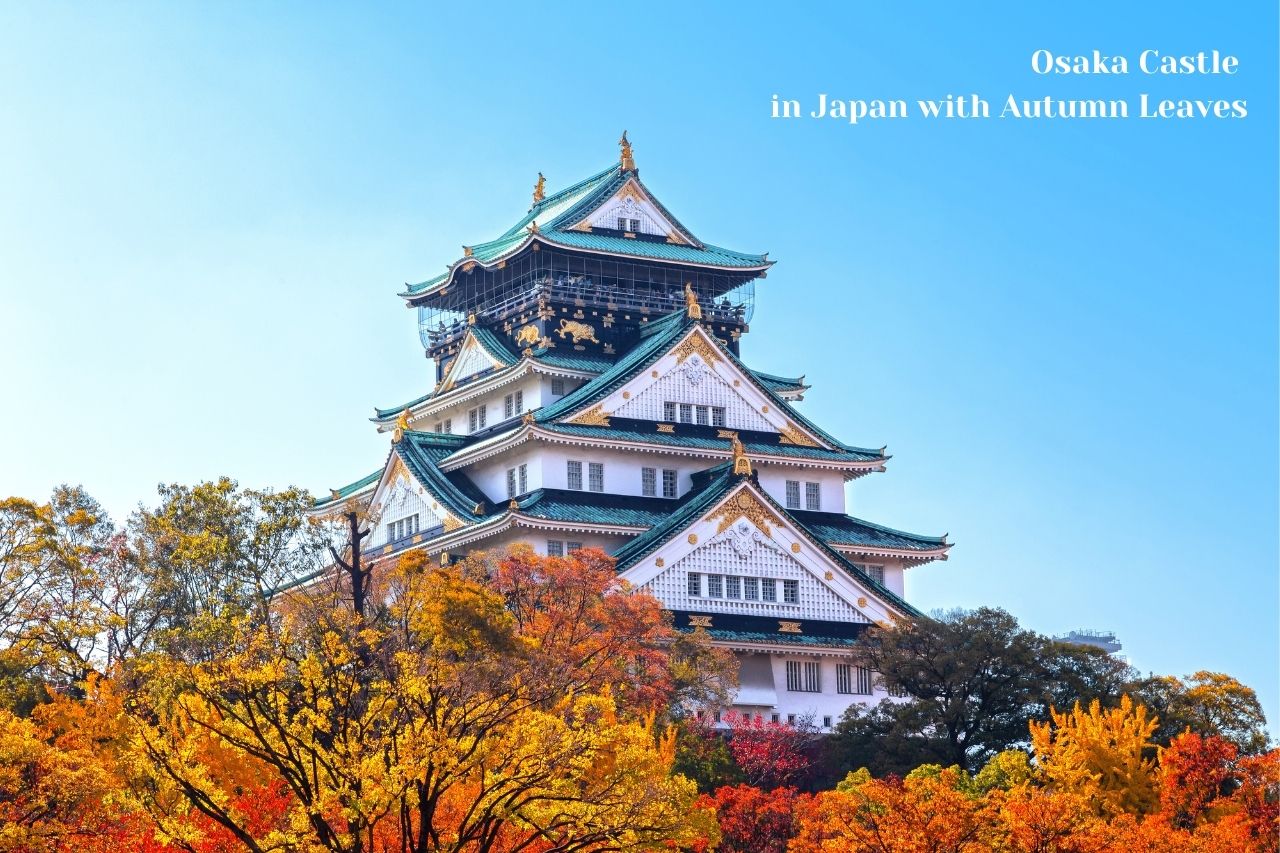
Constructed in 1583, Osaka Castle stands as a witness to a time in history that was destroyed by war. The citadel of today was renovated in 1931 and is a significant historical site. With its hilltop location and lush surroundings, this area is perfect for picnics, running, cycling, or strolling. A fuller understanding of Osaka’s significance in Japanese history is also given to each visitor by the more than 10,000 objects housed on the museum grounds.
Dotonbori
- Address: 1 Chome Dotonbori, Chuo Ward, Osaka, Japan
- Opening hours: All day
- Entrance fee: Free
Experience the lively, fast-paced lifestyle of Dotonbori, the epicenter of entertainment for the nighttime. The vivid neon hues of the buildings here represent the brightness of Japan while also emphasizing the traits of its metropolitan landscape. Excited travelers will check in next to the city’s mascot, a picture of a guy sprinting on the enormous blue track on the Dotonbori Bridge, when they arrive in Dotonbori. At night, Osaka comes alive with lively dinner parties in bars and nightclubs, where diners may enjoy delicacies like grilled octopus or okonomiyaki pancakes. The city is much more crowded than during the day.
Osaka Aquarium Kaiyukan
- Address: 1 Chome-1-10 Kaigandori, Minato Ward, Osaka, Japan
- Opening hours: 09:30 – 20:00
- Entrance fee:
| Typr of ticket | Category | Fee (JPY) |
| General Ticket | Child 02 years old and under | Free |
| Child 03-06 years old | 700 | |
| Child 07-15 years old | 1,400 | |
| Adult 16 years old and over | 2,700 | |
| Back Stage Viewing (Feeding Time) Ticket | Customer over 07 years old | 2,500 |
| Back Stage Viewing Ticket | Customer over 07 years old | 1,500 |
Visit Kaiyukan Osaka Aquarium to witness a plethora of rare marine species. One of the most striking aquariums in Japan, Kaiyukan is renowned worldwide for its architecture. For the aquatic wildlife across the Pacific Rim, Kaiyukan replicates their native environments and acts as a second home.
More than fifteen large pools at Kaiyukan, each representing a different section of the Rim, let visitors to experience the Pacific Ocean virtually. The aquarium’s focal point, “The Pacific Ocean,” is home to whale sharks, the biggest fish in the world, while “Antarctica” is blanketed in snow.
After spending around two and a half hours circumnavigating the Pacific Ocean, guests should finish the spiral path from the eighth to the fourth level, departing from the world of land creatures and entering the water to explore biodiversity all the way to the ocean’s bottom. Marine life from a variety of angles, including enormous schools of fish and the fascinating world beneath the deep water.
Sumiyoshi Taisha
- Address: 2 Chome-9-89 Sumiyoshi, Sumiyoshi Ward, Osaka, Japan
- Opening hours: 06:00 – 17:00
- Entrance fee: Free
One of the oldest shrines in Japan is Sumiyoshi Taisha (潏吉大社, “Sumiyoshi Grand Shrine”) near Osaka. Established in the third century, prior to the arrival of Buddhism, this shrine showcases a distinct architectural style known as Sumiyoshi-zukuri, which is devoid of any influence from the Asian mainland. Only two other types of shrine architecture—Taisha-zukuri at Izumo Taisha and Shinmei-zukuri at the Ise Shrines—are regarded as being wholly Japanese.
Unlike the curved roofs that were popular in following centuries, sumiyoshi-zukuri has straight roofs that are adorned with five horizontal billets (katsuogi) and two sets of forked finials (chigi). In addition, structures built in the Sumiyoshi-zukuri style include a fence surrounding them and an entrance located beneath the gable.
Of the more than two thousand Sumiyoshi shrines located across Japan, Sumiyoshi Taisha is the primary and most well-known. The Shinto gods known as kami, who guard seafarers, fisherman, and travelers, are revered at Sumiyoshi shrines.
Sumiyoshi Taisha in Osaka has four primary halls. It’s interesting to note that the fourth is located just next to the third, and the first three are arranged in a straight line facing west. In Japan, this configuration of shrine structures is uncommon because, according to Chinese geomancy, shrines constructed during and after the Nara Period (710–794) primarily face south.
Constructed as a very tall arch across a pond, the stunning Sorihashi Bridge leads to the entrance to the main shrine grounds. Sumiyoshi Taisha is one of the most popular shrines in the nation to visit during hatsumode, or the first visit to a shrine on New Year’s Day.
Umeda Sky Building
- Address: 1 Chome-1-88 Oyodonaka, Kita Ward, Osaka, Japan
- Opening hours: 09:30 – 22:30
- Entrance fee: 1,500 JPY/adult | 700 JPY/child 04-12 years old
A famous landmark in Umeda, Osaka, the “Kuchu Teien Observatory of the Umeda Sky Building” is a three-story observation facility (roof, 39th, and 40th floors). Additionally, the see-through escalator that connects the 35th to the 39th level is a well-liked photo location. A 35-meter-long glass counter within the observatory deck on the 40th level allows guests to sip tea while feeling as though they are floating in midair. Furthermore, the rooftop observation level offers an amazing 360-degree view that is breathtaking throughout any time of day or season.
Nagoya
Travelers may experience a plethora of sightseeing spots and attractions in Nagoya, a city located in central Japan. This city boasts a plethora of historical sites, mouthwatering food, and a friendly, inviting attitude in addition to being a center for industrial breakthroughs.
Nagoya Castle
- Address: 1-1 Honmaru, Naka Ward, Nagoya, Aichi 460-0031, Japan
- Opening hours: 09:00 – 16:30
- Nagoya Castle Entrance fee: 500 JPY
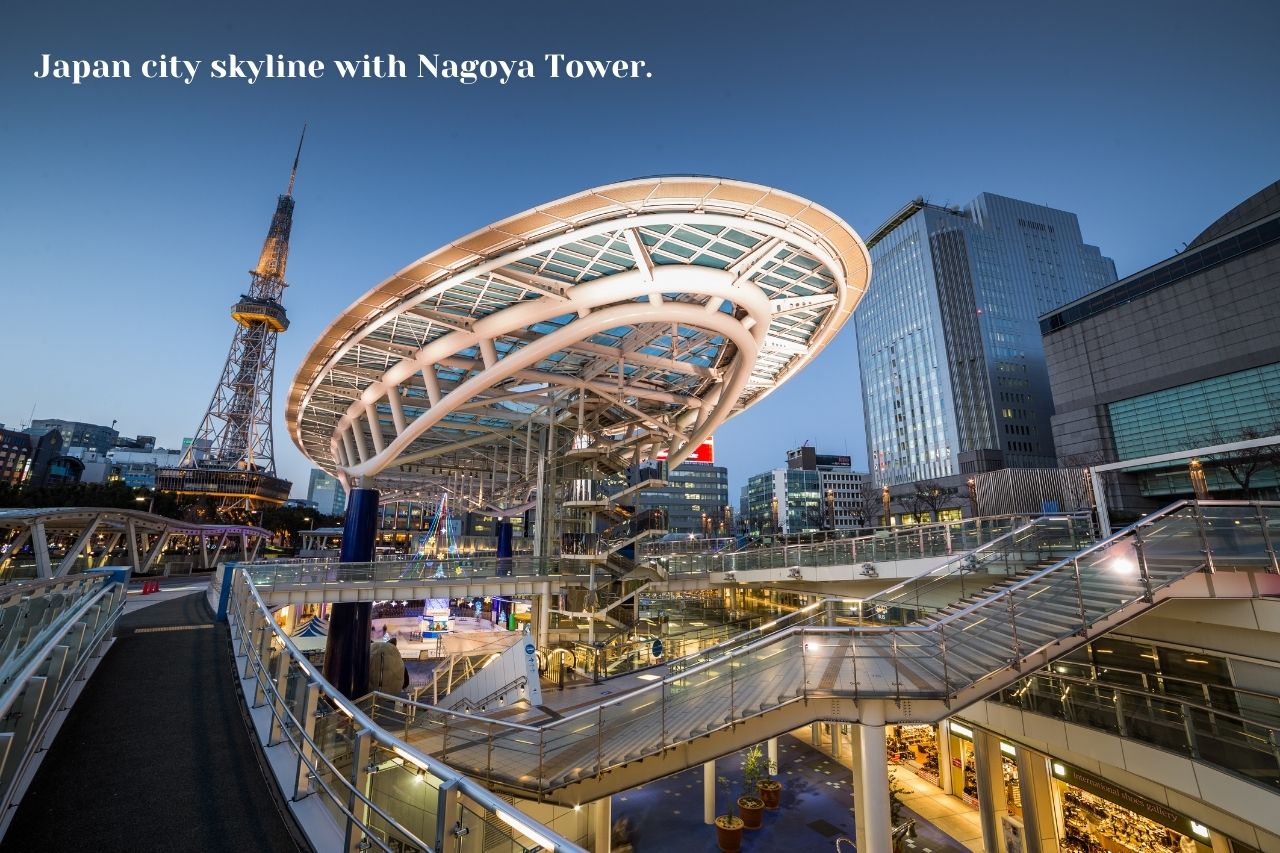
Japan’s center is where Nagoya City is situated. And Nagoya Castle, located in the heart of the city, is a magnificent plain-type castle that is well-known for the two golden shachihoko (fantastic sea monsters with heads like tigers) that perch atop the tower. A proverb that states, “Owari Nagoya is sustained by the castle,” attests to the unique place and pride that Nagoya’s citizens have for it. Said to measure 2.5 meters high and 1.2 tons in weight, the massive shachihoko sculptures are now considered a municipal emblem.
Many people know that Oda Nobunaga spent his formative years in Nagoya Castle. One of the most potent fighting lords of the sixteenth century was Nobunaga. Tokugawa Ieyasu later ordered the castle to be reconstructed as a significant defensive structure once he united Japan. Rebuilt in 1959, the six-story tower (including five exterior floors) was destroyed by fire in World War II.
The Tokugawa Art Museum, a short ride from the castle, has tea ceremony and calligraphy sets, clothing, and other ordinary things used by the Tokugawa clan on exhibit, along with a pictorial scroll of the Tale of Genji and other historical works of art.
Toyota Commemorative Museum of Industry and Technology
- Address: 4 Chome-1-35 Noritakeshinmachi, Nishi Ward, Nagoya, Aichi, Japan
- Opening hours: 09:30 – 17:00 (except Monday)
- Toyota Commemorative Museum Entrance fee as follow
| Category | Fee (JPY) |
| Elementary school students | 200 |
| Junior and senior high school students | 300 |
| Adult aged 18 or over | 500 |
| Senior aged 65 or over | 300 |
Situated in the heart of Nagoya, next to Nagoya Station, the Toyota Commemorative Museum of Industry and Technology, or simply Toyota Techno Museum is the original company’s location. The Toyota group origins as a textile manufacturer to its expansion into a worldwide vehicle producer and beyond.
The museum is organized into several sections and pavilions, including the Automobile Pavilion and the Textile Machinery Pavilion. The Textile Machinery Pavilion has several well-maintained and operational machinery that are on exhibit. Seeing these machines in action brings the museum to life. For individuals of all ages, this is an entertaining, educative, and educational experience because of the amazing operating displays and the passionate, knowledgable interpreters.
Nagoya City Science Museum
- Address: 2 Chome−17−1 Inside Shirakawa Park, Naka Ward, Nagoya, Aichi, Japan
- Opening hours: 09:30 – 17:00 (except Monday)
- Nagoya City Science Museum Entrance fee as follow
| Type of ticket | Category | Fee (JPY) |
| Exhibition room only | Junior high school student or younger | Free |
| University/high school student | 200 | |
| Adult | 400 | |
| Exhibition room and planetarium | Junior high school student or younger | Free |
| University/high school student | 500 | |
| Adult | 800 |
One of the biggest planetariums in the world is housed inside a distinctive huge silver globe that is the focal point of the Nagoya City Science Museum (名古屋市科学館, Nagoya-shi Kagakukan). The planetarium offers monthly programs that focus on current astronomical phenomena. Even if the performances are exclusively in Japanese, it’s still entertaining to watch the stars and other natural elements projected onto the enormous round screen.
The seven-story museum has five floors devoted to an extensive collection of permanent exhibits, while the basement is occasionally used for temporary exhibitions. All ages have plenty of opportunity to try their hand at studying science via hands-on activities in the permanent exhibitions. They have a number of sizable exhibits, such the “Deep Freezing Lab,” “Electric Discharge Lab,” and “Tornado Lab,” which replicates circumstances at the polar areas of the planet.
SCMAGLEV and Railway Park
- Address: 3 Chome-2-2 Kinjofuto, Minato Ward, Nagoya, Aichi, Japan
- Opening hours: 10:00 – 17:30 (except Tuesday)
- Entrance fee: 200 JPY/child aged 03 years old |500 JPY/school child | 1,000 JPY/adult
The Central Japan Railways (JR Central) railway museum, known as SCMAGLEV and Railway Park, opened its doors in 2011. In addition to showcasing many real trains, such as antique steam locomotives, the world’s first experimental shinkansen (bullet train), and the newest magnetic levitating trains (maglev), the museum aims to educate visitors about Japan’s advancements in high-speed rail.
There are a number of decommissioned train carriages on exhibit. Numerous of them have exhibitions describing the various components of the trains as well as every facet of their operation and maintenance, and many may be viewed or accessed from below. The museum also features an exhibit devoted to JR Central’s intentions to build a high-speed maglev train connecting Tokyo and Osaka.
Atsuta Jingu
- Address: 1 Chome-1-1 Jingu, Atsuta Ward, Nagoya, Aichi, Japan
- Opening hours: All day
- Atsuta Shrine Entrance fee: Free
Atsuta Shrine is situated in “Atsuta Forest,” a large, lush shrine forest, in the southern region of Nagoya. Known as “Atsuta -san,” this shrine receives nearly to 7 million visits per year. People from all around Japan, not only those from Nagoya, refer to Atsuta Shrine as their “spiritual hometown,” a site of intense awe and devotion. Since ancient times, samurai warriors and members of the Imperial Court have prayed at this temple, which is the second biggest in Mie Prefecture after Ise temple. Another well-known event at Atsuta Shrine is a celebration honoring the transfer of the “Kusanagi-no-Tsurugi” sword—one of the Three Sacred Imperial Treasures—to the shrine. Atsuta Shrine was originally constructed in the Owari-zukuri style, but it was renovated in 1893 in the Shimei-zukuri style, just as Ise Shrine.
Port of Nagoya Public Auqarium
- Address: 1-3 Minatomachi, Minato Ward, Nagoya, Aichi, Japan
- Opening hours: 09:30 – 17:00
- Entrance fee as follow
| Type of ticket | Category | Fee (JPY) |
| Port of Nagoya Public Aquarium | Child 4+ years | 500 |
| Elementary / Junior school student | 1,010 | |
| High school student | 2,030 | |
| Adult | 2,030 | |
| Port of Nagoya Public Aquarium after 5 PM | Child 4+ years | 400 |
| Elementary / Junior school student | 800 | |
| High school student | 1,620 | |
| Adult | 1,620 |
The fascinating Port Of Nagoya Public Aquarium in Nagoya Port is one of the biggest and nicest aquariums in Japan. The North and South Buildings are the two main pavilions that house the marine species from Antarctica to Japan, including dolphins, orcas, and beluga whales.
The South Building will introduce the animals and their natural habitats in five different marine regions as part of the “A Journey to the Antarctic” concept, which is based on the Antarctic survey ship Fuji’s route from Japan to Antarctica. The topic of “A journey spanning 3.5 billion years: Animals that have returned to the seas” will be showcased in the North Building, where aquarium inhabitants such as bottlenose dolphins and beluga whales will be on exhibit.
With stands that can accommodate up to 3,000 people, the largest primary pool in all of Japan hosts performances that provide viewers with a greater understanding of the habits and lives of marine creatures.
Osu Kannon
- Address: 2 Chome-21-47 Osu, Naka Ward, Nagoya, Aichi, Japan
- Opening hours: 06:00 – 19:00
- Osu Kannon Entrance fee: Free
In the heart of Nagoya, Osu Kannon (大須観音, Ōsu Kannon) is a well-known Buddhist temple. Originally constructed in the nearby Gifu Prefecture during the Kamakura Period (1192-1333), the temple was relocated to its present location by Tokugawa Ieyasu in 1612 after suffering recurrent damage from intense floods. The present structures are reconstructions from the 20th century.
A wooden statue of Kannon, the goddess of mercy, which was sculpted by Kobo Daishi, a significant figure in Japanese Buddhism, is the center of devotion at the temple. The Shinpukuji Library, located underneath Osu Kannon’s main hall, is home to more than 15,000 traditional Chinese and Japanese books. Several national treasures and significant cultural artifacts may be found among these writings, including the earliest copy of the Kojiki, a history of early Japan that includes mythical roots.
Hokkaido
Hokkaido, the second-largest island in the Land of the Rising Sun, is situated in Northern Japan and is renowned for its distinct beauty. The attractions of Hokkaido tourism include the changing scenery with the seasons, the incredibly cold temperature, and the diverse animal life.
Asahiyama Zoo
- Address: Kuranuma Higashiasahikawacho, Asahikawa, Hokkaido, Japan
- Opening hours: 09:30 – 17:15
- Asahiyama Zoo Entrance fee: 1,000 JPY/adult | Free for child
Asahiyama Zoo is in the northernmost region of Japan and is home to lovely wildlife that thrive in frigid climates. There are presently 800 animals at the zoo representing 150 different species. These include species that are common in Hokkaido as well as international species including bears, giraffes, red pandas, snow leopards, and so on. Enter the aquarium completely, see the penguins as they swim about, or get up close and personal with this cute animal’s performance.
Shirogane Blue Pond
- Address: Shirogane, Biei, Kamikawa District, Hokkaido, Japan
- Opening hours: All day
- Entrance fee: Free
Unexpectedly produced when a volcanic mud dam was built, Shirogane Blue Pond is a surreal natural location that is relatively unknown to visitors. It gets its name from the fact that the chemical reaction is so fascinating. The water from Shirahige Falls combines with aluminum dissolved in the cliff it falls over. The pond’s pebbles are uniquely whitened by the combination of sulfur and aluminum-containing water, which scatters and reflects sunlight to create a striking blue tint. This spot is mysterious not only because of the strikingly green water but also because of the silver pine and birch trees that are barren in the center of the withered pond.
Shikisai No Oka
- Address: Shinsei Dai – 3, Biei – cho, Kamikawa-gun, Hokkaido, Japan
- Opening hours: 08:40 – 17:00 (July – September)
- Shikisai No Oka Entrance fee: 500 JPY/high school student | 300 JPY/elementary and junior school student
Colorful flower fields and a floral area full of enticing smells are shown at Shikisai No Oka (Four Seasons Hill). The flower garden is particularly unique since it is only open from July to September each year, during the blooming season of plants including dahlias, tulips, lupines, lavender, sunflowers, and anemones. Each kind is planted in eye-catching shades of yellow, white, purple, and red, alternating all the way to the horizon on undulating slopes.
Goryokaku Tower
- Address: 43-9 Goryokakucho, Hakodate, Hokkaido, Japan
- Opening hours: 09:00 – 18:00
- Goryokaku Tower Entrance fee: 1,000 JPY/adult | 750 JPY/junior high school and high school student | 500 JPY/elementary school student
Since its construction in 2006, the 107-meter-tall Goryokaku Tower has been available to tourists. There is no better location to see Hakodate City and the Gorykaku Fortress. This enormous star-shaped castle with five points rises to a height of ninety meters. Visitor admiration of Mount Hakodate, Tsugaru Strait, and Mount Yokotsu, as well as a lovely sunset and the glittering lights of the entire city at night, can be had from the observation deck, which is open until late afternoon.
Jigokudani Hell Valley
- Address: Noboribetsuonsencho, Noboribetsu, Hokkaido, Japan
- Opening hours: All day
- Entrance fee: Free
Known as “Hell Valley” or Jigokudani (在獄訷), this breathtaking valley is situated right above Noboribetsu Onsen town and has sulphuric streams, steam vents, and other volcanic activity. It provides the majority of the hot spring water for Noboribetsu.
Beautiful walking routes go across the forested hills above Noboribetsu, accessible from the valley. They will lead you to Oyunuma, a sulfurous pond with a surface temperature of fifty degrees Celsius, and a smaller, even hotter mud pond adjacent if you follow them for twenty to thirty minutes.
The Oyunumagawa River emerges from Oyunuma. The river runs through the forest, still scorching, creating an incredible scene. You might walk several hundred meters down the river and stop for a natural foot bath (ashiyu) along the way.
Shiroi Koibito Park
- Address: 2 Chome-11-36 Miyanosawa 2 Jo, Nishi Ward, Sapporo, Hokkaido, Japan
- Opening hours: 10:00 – 18:00
- Shiroi Koibito Park Entrance fee: 800 JPY/adult | 400 JPY/child 04-15 years old | Free for child under 04
The theme park Shiroi Koibito Park (白いか人パーク) is owned by the local chocolate manufacturer Ishiya. The Shiroi Koibito cookie, the company’s signature item, is made up of two thin butter biscuits with a layer of white chocolate sandwiched in between. It is among the most well-known souvenirs from Hokkaido.
The park is divided into two sections: a free part with a store, cafe, and restaurant; and a paid portion with a variety of displays linked to chocolate and, most intriguingly, a few giant windows that allow guests to see the factory as cookies are made. In practical classes, you may even make your own cookies. The local professional soccer team, Consadole Sapporo, uses the soccer field located in Shiroi Koibito Park as a practice area.
Sapporo Beer Museum
- Address: 9 Chome-1-1 Kita 7 Johigashi, Higashi Ward, Hokkaido, Japan
- Opening hours: 11:00 – 18:00 (except Monday)
- Sapporo Beer Museum Entrance fee: Free
Housed in a former Meiji-era brewery, the Sapporo Beer Museum (サッポロビール博物館, Sapporo Beer Hakubutsukan) opened its doors in 1987. The museum shows the history of beer in Japan as well as the brewing process. Beer samples are offered following the exhibitions for a nominal charge. Alternatively, paid excursions are available in Japanese and conclude with a taste.
The Sapporo Beer Garden, which has a few eateries, is located next to the museum. The restaurants include the more upscale Garden Grill restaurant in addition to a number of cozy beer halls. All-you-can-eat mutton barbecue, a beloved local dish named for the legendary Mongolian leader Genghis Khan (Jingisukan in Japanese), and all-you-can-drink beer are popular at the beer halls.
Kyoto
Japan’s main cultural hub, Kyoto is remarkable with its distinctive architecture, rich history, and sweet cherry trees. Kyoto’s historic beauty transports tourists to a unique place of serenity where they are able to momentarily forget about the daily grind.
Fushimi Inari-taisha
- Address: 68 Fukakusa Yabunouchicho, Fushimi Ward, Kyoto, Japan
- Opening hours: All day
- Entrance fee: Free
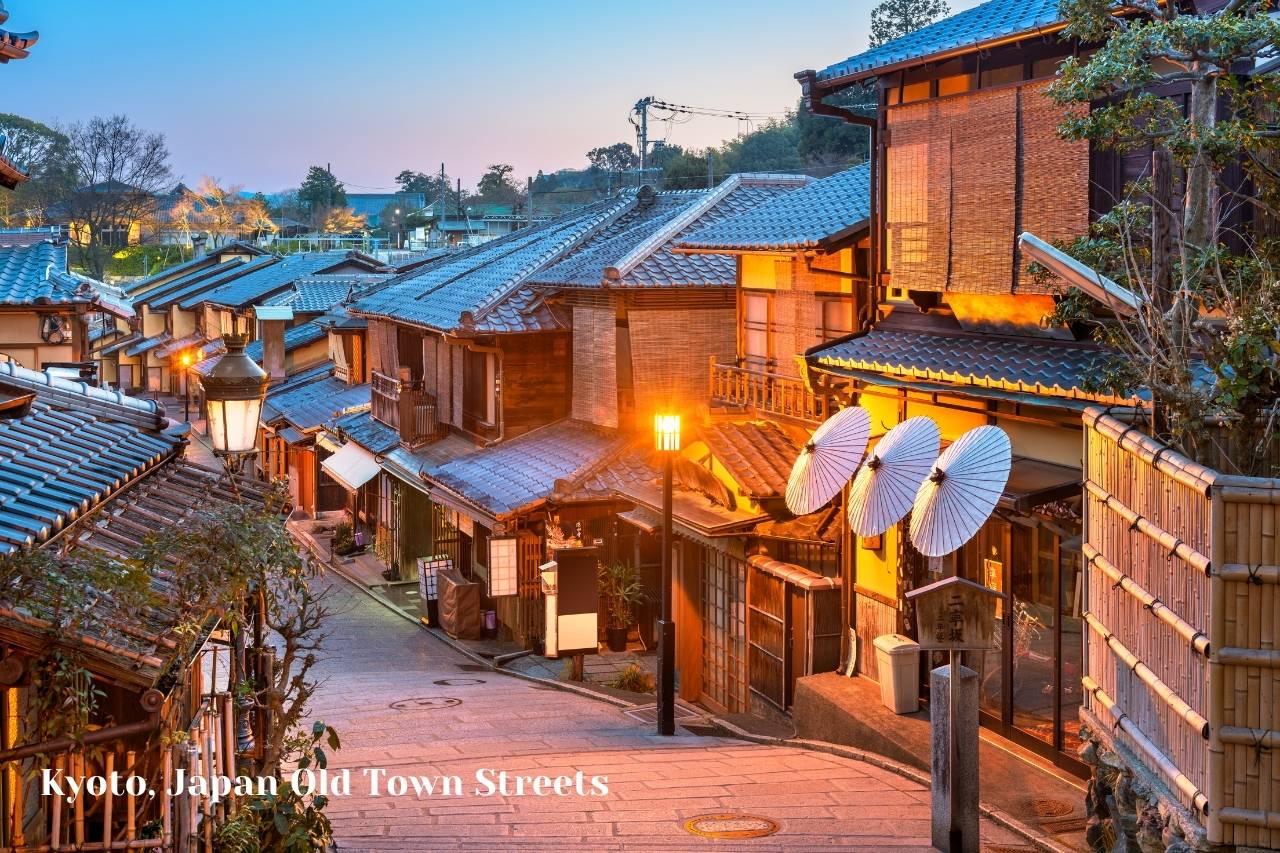
With its brilliant orange-red gates, the fabled Thousand Gate Shrine Fushimi Inari-taisha is the most prominent shrine dedicated to the deity Inari in Japan. Going through each gate will take tourists around two hours. The unique aspect is that these gates weren’t constructed at the same time, but each year, companies or private citizens provide as a way of showing their appreciation to the neighborhood. The 8th century saw the creation of the first Torri gate and guardian god. Moreover, there is a very large and magnificent figure of a stone fox—a messenger of the deity Inari—at the base of the gate pillars, clutching a key or scroll.
Kinkakuji
- Address: 1 Kinkakujicho, Kita Ward, Kyoto, Japan
- Opening hours: 09:00 – 17:00
- Kinkakuji Golden Pagoda Entrance fee: 500 JPY/adult | 300 JPY/primary and middle school student
With its antiquity and melancholy beauty, the Kinkakuji Golden Pagoda, a symbol of Kyoto’s former city, is honored to have been named a World Cultural Heritage by UNESCO. The pagoda is made up of three storeys, each with a different design structure and an exquisite mix of plaster, gold, and wood. Using rustic wood and plaster, the first level is dedicated to the worship of Shaka Buddha and Yoshimitsu statue in the Shinden style. The area of the samurai palace where the Four Heavenly Kings monument and Bodhisattva Kannon are worshipped is the next step up to the second story. The third story, which has a golden Phoenix top, is constructed like a Chinese Zen Hall.
Otowasan Kiyomizu
- Address: Chome-294 Kiyomizu, Higashiyama Ward, Kyoto, Japan
- Opening hours: 06:00 – 18:00
- Kiyomizudera Temple Entrance fee: 400 JPY/adult | 200 JPY/junior high and elementary school student
Kiyomizudera Temple, which is perched on a mountain in Eastern Kyoto, provides breathtaking views of the whole city. The temple’s portico, where many visitors check in, is quite noticeable and is supported by 13-meter-tall wooden columns that are not fastened with nails. Jishu Shrine, where one can offer prayers for love, is located after entering the Main Hall. You will eventually come to Okunoin Shrine and Otowa Falls. Visitors may also take in the breathtaking beauty of four distinct seasons, with flowers and leaves changing with each passing step.
Nijo Castle
- Address: 541 Nijojocho, Nakagyo Ward, Kyoto, Japan
- Opening hours: 08:45 -17:00
- Nijo Castle Entrance fee as follow
| Type of ticket | Category | Fee (JPY) |
| Nijo-jo Castle/Ninomaru-goten Palace | Primary school student | 300 |
| Junior high / High school student | 400 | |
| Adult | 1,300 | |
| Painting Gallery | 100 | |
| Nijo-jo Castle | Adult | 800 |
Construction of Nijo Castle (also known as Nijōjō) began in 1603 when Tokugawa Ieyasu, the first shogun of the Edo Period (1603–1867), moved into Kyoto. It is separated into three sections: the primary defensive circle, Honmaru; the secondary defense circle, Ninomaru; and the several gardens that round them. When the shogun visited Kyoto, his apartment and office were located at Ninomaru Palace. A five-story castle and a second palace complex were located on Honmaru, the main defensive circle. But both buildings were destroyed in a fire in the eighteenth century, and they were never rebuilt. There will be a green area surrounding these buildings, shaded by cherry, plum, and cherry trees, each of whose blooms is fragrant.
Yasaka Shrine
- Address: 625 Gionmachi Kitagawa, Higashiyama Ward, Kyoto, Japan
- Opening hours: All day
- Entrance fee: Free
Gion Shrine, also called Yasaka Shrine (八坂神社, Yasaka Jinja), is one of Kyoto’s most well-known temples. Frequently frequented by visitors strolling between the attractive areas of Gion and Higashiyama, the temple was established more than 1350 years ago.
The haiden (offering hall) and honden (inner sanctuary) are combined into one structure, the shrine’s main hall. A dancing platform with hundreds of lanterns that are illuminated at night is situated in front of it. In exchange for a gift, the name of a nearby company appears on each lantern.
Every July, Yasaka Shrine celebrates the Gion Matsuri, a summer celebration that has gained widespread recognition. With hundreds of participants and a parade with enormous floats, the Gion Matsuri is arguably the most well-known celebration in the whole nation.
Tenryu-ji
- Address: 68 Susukinobaba-cho, Saga-Tenryuji, Ukyo-ku, Kyoto, Japan
- Opening hours: 08:30 – 17:00
- Tenryuji Entrance fee: 500 JPY
The most significant temple in Kyoto’s Arashiyama neighborhood is Tenryuji (天龍寺, Tenryūji). It is presently listed as a world historic site and was rated as the best of the city’s five major Zen temples. Tenryuji is the principal temple of the Rinzai Zen sect of Japanese Buddhism, which has its own school.
Ashikaga Takauji, the governing shogun, constructed Tenryuji in 1339. The majority of the contemporary halls at Tenryuji, such as the main hall (Hojo), drawing hall (Shoin), and temple kitchen (Kuri), with its recognizable little tower, originate from the comparatively recent Meiji Period (1868–1912). Tenryuji’s structures have been destroyed by fire and conflict numerous times throughout the ages.
Tenryuji’s garden, in contrast to the temple structures, has endured the ages in its original state. The stunning landscape park, constructed by renowned garden designer Muso Soseki—who also created the grounds of Kokedera and other significant temples—features a center pond encircled by rocks, pine trees, and the Arashiyama mountains’ dense forest. In addition, Muso Soseki was the first head priest of Tenryuji.


