
Vietnam is quickly becoming one of the favorite travel destinations for Korean tourists. This guide covers essential travel tips, must-see destinations, hotel recommendations, delicious local food, shopping insights, and helpful cultural etiquette.
Vietnam Tourist Visa for Korean Travelers
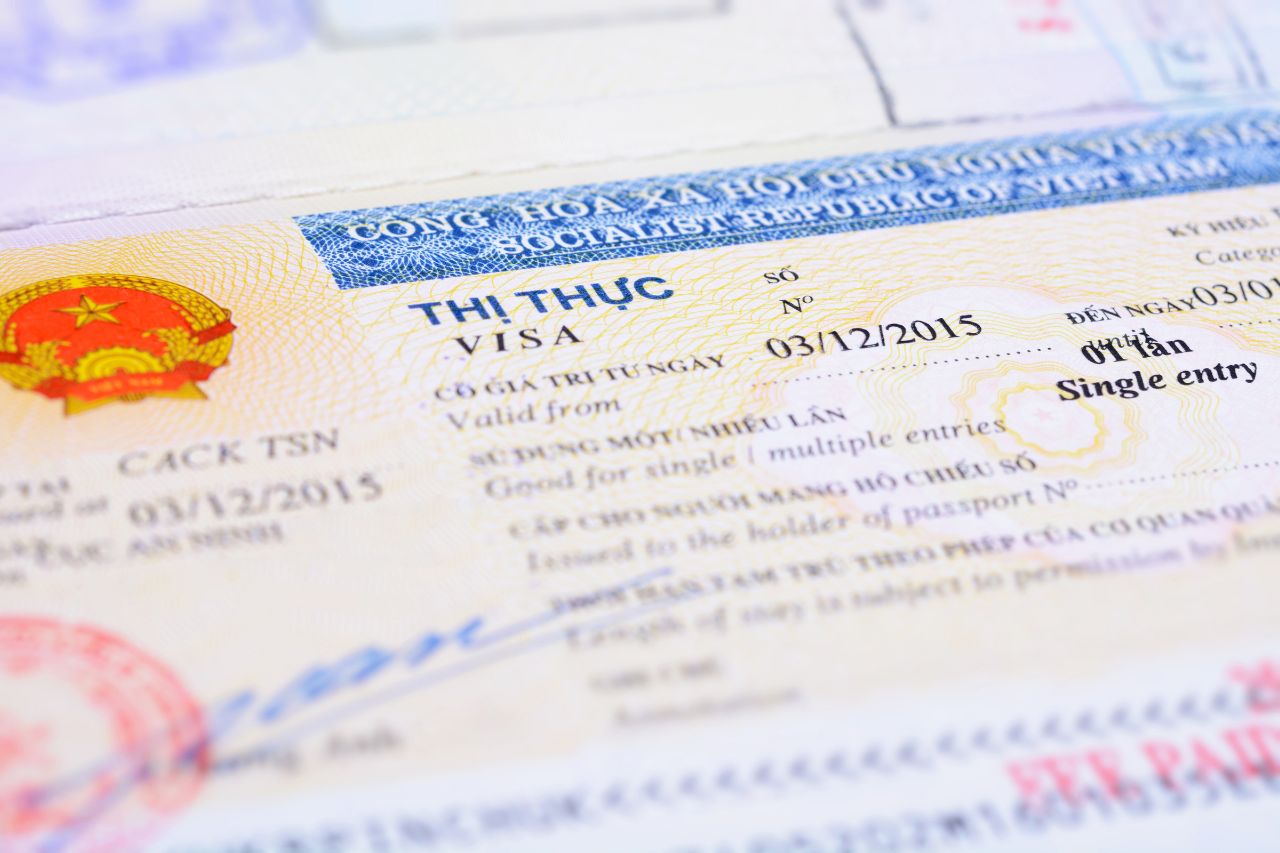
Good news – traveling to Vietnam is visa-free for South Korean passport holders for short visits! Under Vietnam’s current visa exemption policy, Korean citizens can enter without a visa and stay up to 45 days. This is an extension from the previous 15-day limit, making it even easier for Korean tourists to enjoy longer vacations. Upon arrival, you’ll receive a visa exemption stamp in your passport (make sure your passport is valid for at least 6 months and has blank pages). There’s no paperwork needed for stays within 45 days – just walk up to immigration and get your entry stamp.
If you plan to stay longer than 45 days, don’t worry. Vietnam now offers a convenient e-visa system. You can apply online for a 90-day tourist e-visa (multiple-entry). The e-visa is available to citizens of all countries, including Korea, and is processed electronically – no embassy visits required. Simply apply on the official Vietnam Immigration website, pay the fee, and get your approval code via email. With an e-visa, you can stay up to 3 months and even re-enter multiple times, which is great if you want to hop to nearby countries and come back.
Key points: South Koreans can enjoy visa-free entry for 45 days. This exemption is in effect through at least 2028 under a bilateral agreement. All you need is a valid passport and an onward or return ticket. For longer stays or multiple entries, use the 90-day e-visa. Vietnam has made travel super friendly for Korean visitors – one reason Korean tourist numbers have surged to #1 among foreign arrivals in Vietnam!
✈️ Flights from Korea to Vietnam
This flight info makes planning your trip easy—whether you’re hopping between beach towns like Da Nang, Nha Trang, and Phu Quoc, or starting in Hanoi or HCMC to explore the north and south. Just choose the route that fits your itinerary, and happy booking!
📍 Main International Routes
A wide variety of Korean and Vietnamese airlines offer direct flights from major South Korean cities to key Vietnamese destinations. Here’s a quick guide:
From Seoul (Incheon ICN)
-
Seoul → Hanoi (HAN):
-
Multiple daily nonstop flights offered by Vietnam Airlines, Korean Air, Asiana, and VietJet Air.
-
Flight time: ~4.5 hours.
-
There are about 57 flights weekly on this route, with departures from early morning (around 06:45) to late evening (~21:20)
-
-
Seoul → Ho Chi Minh City (SGN):
-
Same carriers operate, including a strong presence from SkyTeam and Star Alliance airlines.
-
Flight time: ~5h 35m.
-
Also ~57 weekly direct flights
-
-
Seoul → Da Nang (DAD):
-
Direct flights by Vietnam Airlines and Korean Air.
-
Round-trip fares typically range from ₩413,000–₩428,000 KRW (~US$310–320)
-
-
Seoul → Nha Trang (via Cam Ranh, CXR):
-
Vietnam Airlines recently launched a direct daily route from Busan to Cam Ranh—and direct Seoul–Nha Trang flights are also available
-
-
Seoul → Phu Quoc (PQC):
-
Carried by Korean Air, VietJet Air, Vietnam Airlines, and low-cost options like Jeju Air, Jin Air, Eastar Jet.
-
Round-trip fares start around ₩505,000 KRW (~US$380)
-
From Busan (PUS)
-
Busan → Hanoi / Ho Chi Minh / Da Nang / Nha Trang / Phu Quoc:
-
Vietnam Airlines expanded its Korea service to include Busan–Cam Ranh (Nha Trang) with daily Airbus-A321 flights.
-
Other routes include Busan–Hanoi and Busan–Da Nang
-
✨ Flight Highlights at a Glance
| Route | Flight Time | Carriers | Typical Round‑Trip Fare |
|---|---|---|---|
| Seoul → Hanoi / SGN | 4.5–5.5 h | Vietnam Airlines, Korean Air, Asiana, VietJet | ₩330,000–₩440,000 (≈US$280–360) |
| Seoul → Da Nang | ~5 h | Vietnam Airlines, Korean Air | ₩413,000–₩428,000 (~US$310–320) |
| Seoul → Nha Trang (CXR) | ~5 h 15 m | Vietnam Airlines, VietJet | From ~₩508,000 (~US$380) |
| Seoul → Phu Quoc | ~5 h 10 m | Korean Air, VietJet, Vietnam Airlines, Jeju Air | From ₩505,000 (~US$380) |
🛫 Booking & Travel Tips
-
With approximately 112 weekly direct flights between Vietnam and South Korea—covering Seoul, Busan, Daegu, and Cheongju—it’s very convenient to find a flight that matches your schedule
-
Early booking (2–4 months ahead) often yields better prices, especially during Korean holidays and summer peaks.
-
Consider using both Vietnamese and Korean travel platforms to compare fares; sometimes the airlines’ own promos are more budget-friendly.
-
Off-peak seasons (April–May, September–November) tend to have lower airfares.
-
Check if your flight includes checked baggage—many low-cost and promotional fares may only include a carry-on.
Popular Destinations for Korean Tourists
Vietnam offers a little bit of everything – from vibrant cities to tranquil beaches and misty mountains. It’s no surprise that South Korea is now the largest source of tourists to Vietnam, and many destinations have become favorites for Korean travelers. Below are some of the most popular spots and what makes them special for visitors from Korea.
Hanoi
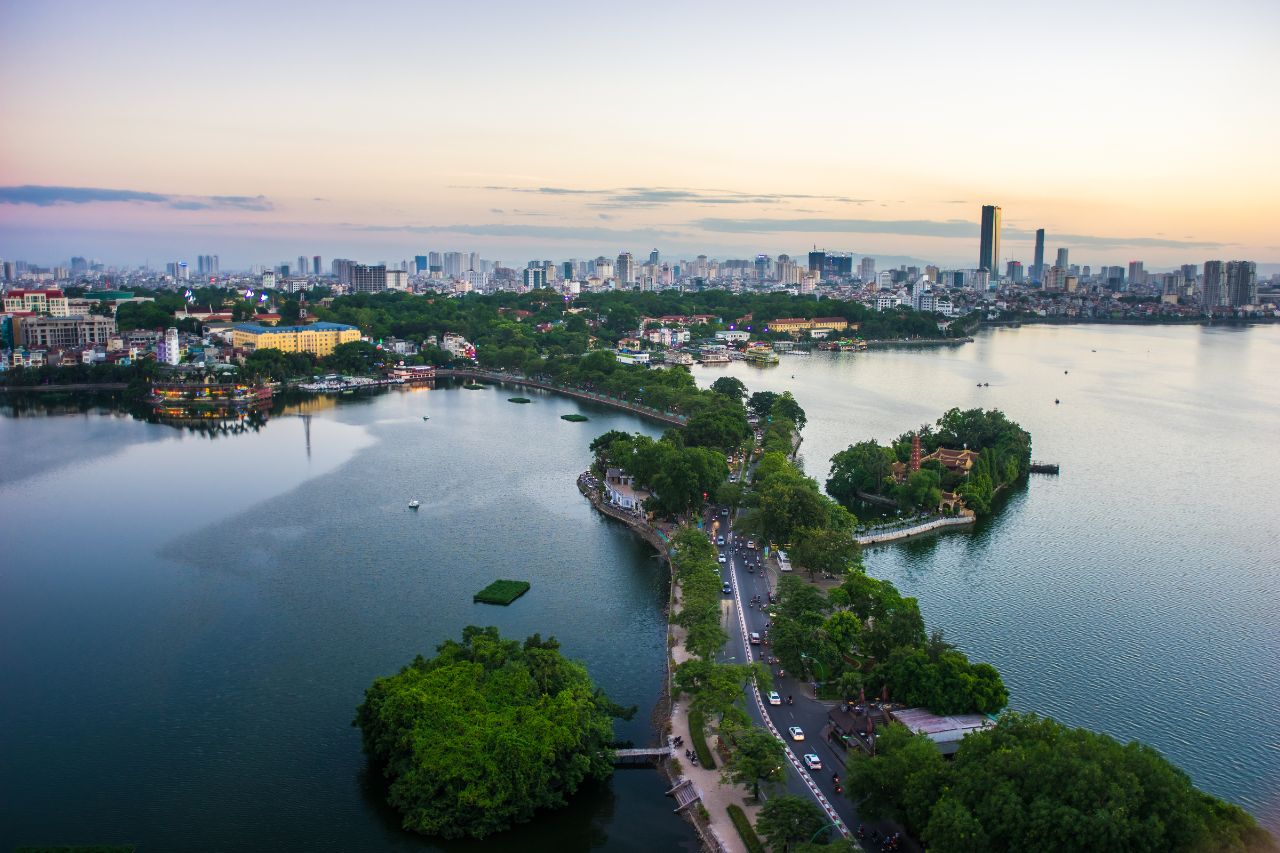
As Vietnam’s capital, Hanoi is often the gateway for Korean tourists exploring the north. This city blends old-world charm with modern vibrancy. Stroll through the Old Quarter with its narrow streets and French colonial architecture, and you’ll find Instagrammable cafes, street food stalls, and shops at every turn. History buffs can visit the Ho Chi Minh Mausoleum and Temple of Literature, while K-pop fans might spot the Lotte Center Hanoi skyscraper – yes, the same Lotte brand from Korea! Hanoi’s appeal lies in its rich culture and cuisine: try a bowl of authentic phở in the city where it originated, or sip an egg coffee by Hoàn Kiếm Lake. The city’s atmosphere – bustling scooters, friendly smiles, and lakefront leisure – gives Korean travelers a warm welcome. Many also enjoy that Hanoi has four seasons (with a mild spring and autumn), a nice change of pace from tropical climates.
Hạ Long Bay
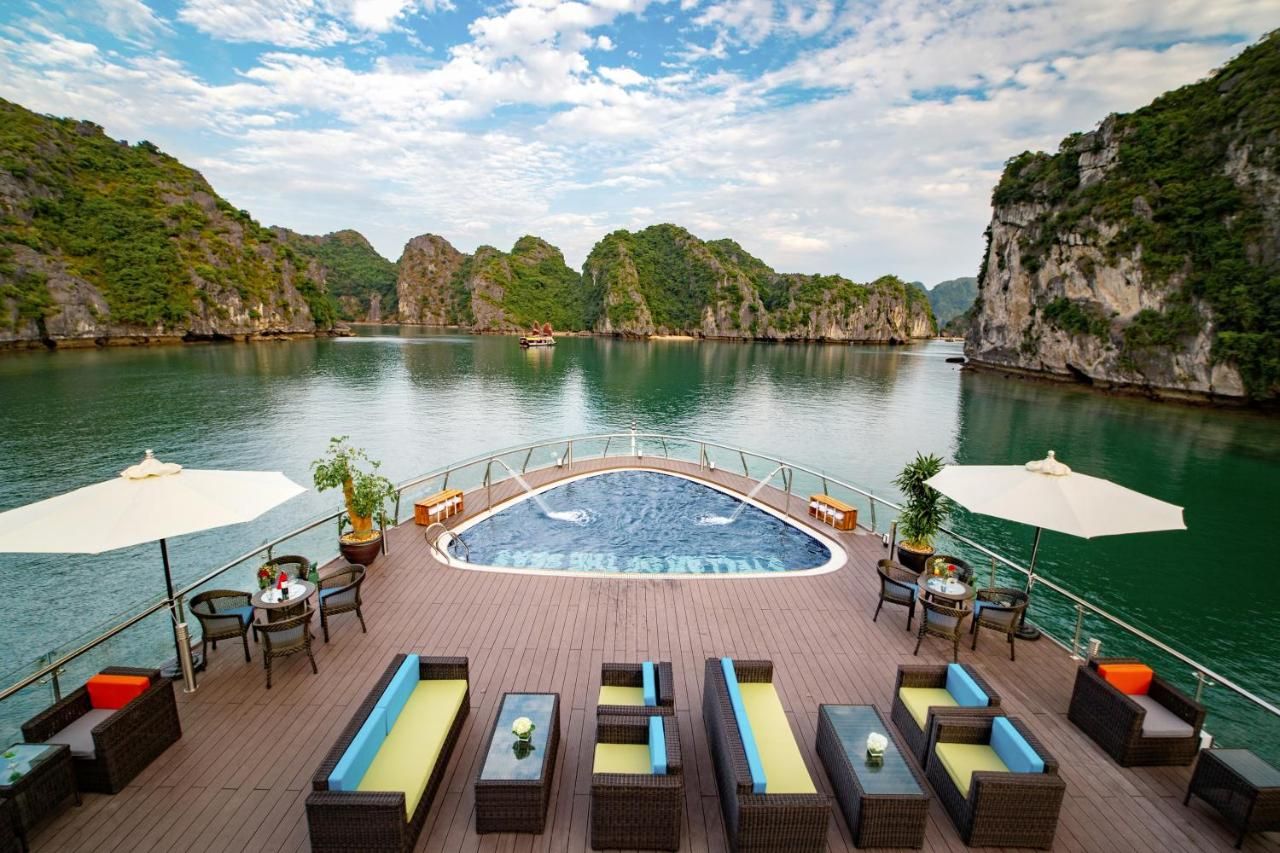
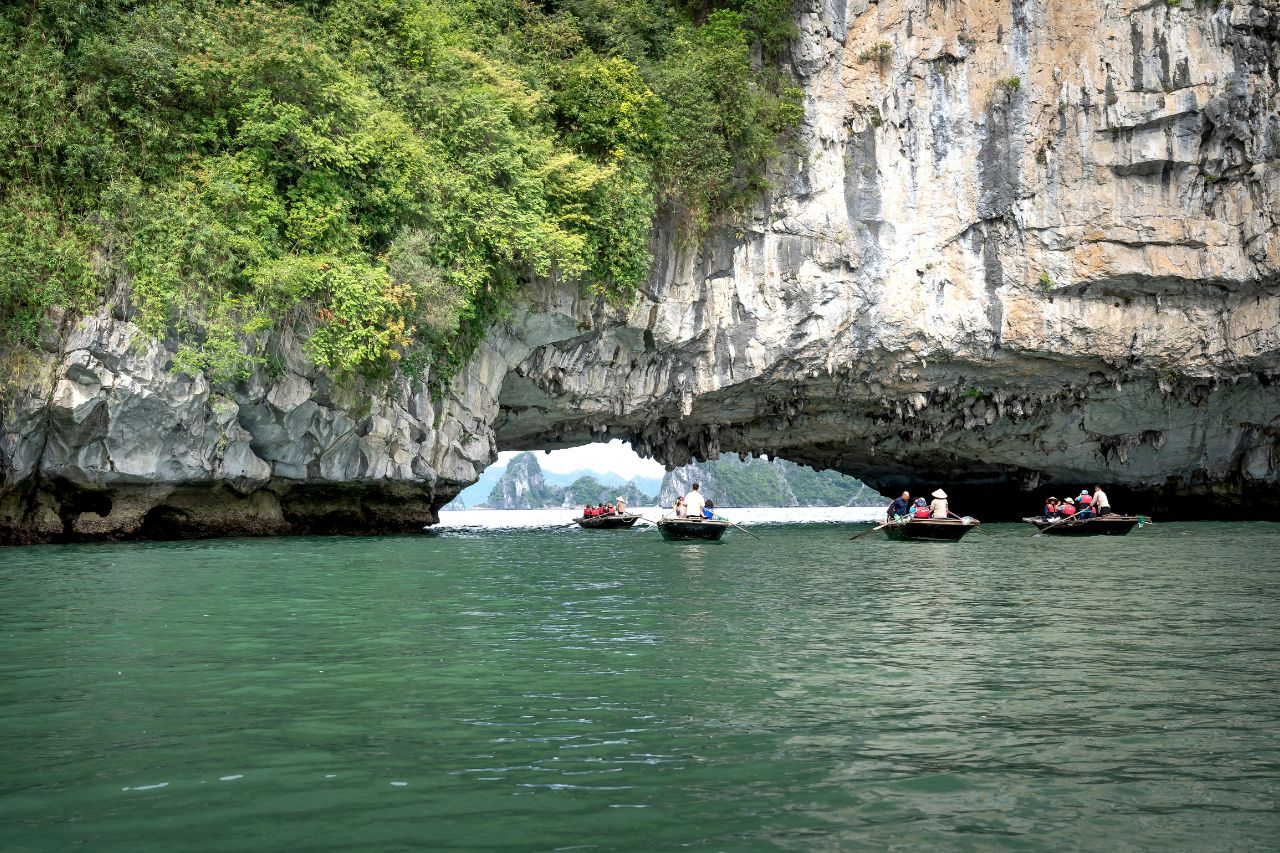
Ha Long Bay is a must-see for any visitor, and Korean travelers are no exception. Famous for its emerald waters and thousands of limestone karst islands, this UNESCO World Heritage site offers a dramatic seascape unlike anywhere else. It’s especially popular among Korean tourists for overnight cruises – you can relax on a luxury cruise ship, enjoy fresh seafood, go kayaking into caves, and watch breathtaking sunrises over the bay. Many Korean tour packages include Ha Long Bay, and it’s easy to reach from Hanoi (about 2.5 hours by road). Fun fact: some Vietnamese cruise staff even learn a bit of Korean to make guests feel at home! The bay’s otherworldly beauty is often a highlight of the trip. For the best experience, try to visit in spring or autumn when the weather is comfortable and skies are clearer – the karsts emerging from morning mist are truly magical.
Ninh Bình
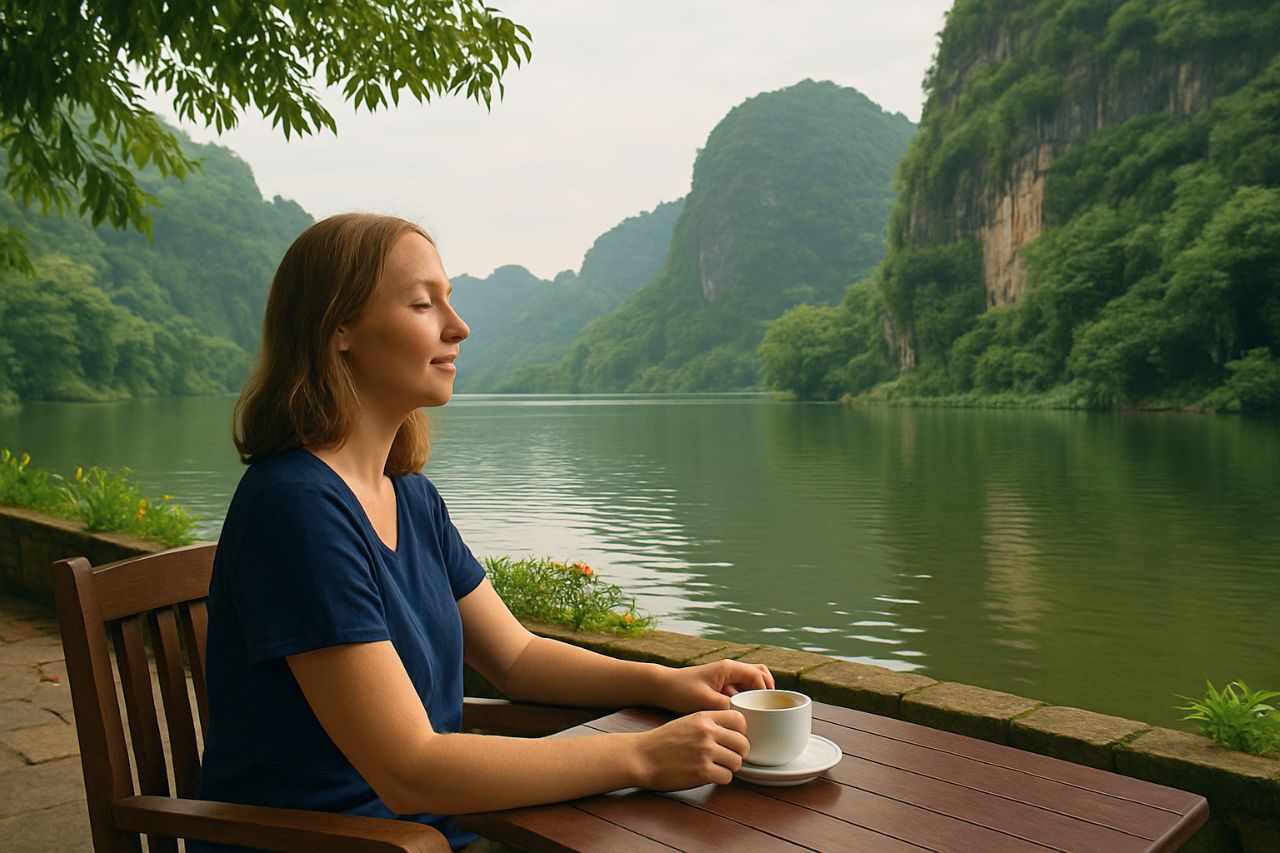
Often called “Halong Bay on land,” Ninh Binh is gaining popularity for its serene natural scenery. Just a couple of hours south of Hanoi, this rural province features karst mountains, winding rivers, and rice paddies that look straight out of a postcard. Korean travelers love taking a boat ride in Tam Cốc or Tràng An, where rowers (sometimes with their feet!) glide you through caves and along peaceful waterways. The area’s quiet beauty and traditional villages offer a nice contrast to busy city life. Many Koreans also visit Bích Động Pagoda (perched on a hillside) and the massive Bái Đính Temple complex. Ninh Binh’s landscapes were featured in the Hollywood movie Kong: Skull Island, which created buzz among international visitors. For Korean tourists who enjoy photography, nature, or a bit of adventure, Ninh Binh is a hidden gem. It’s easy to do as a day trip or an overnight from Hanoi. Pro-tip: go in late May or early June to catch the rice fields turning golden – a spectacular sight!
Sa Pa
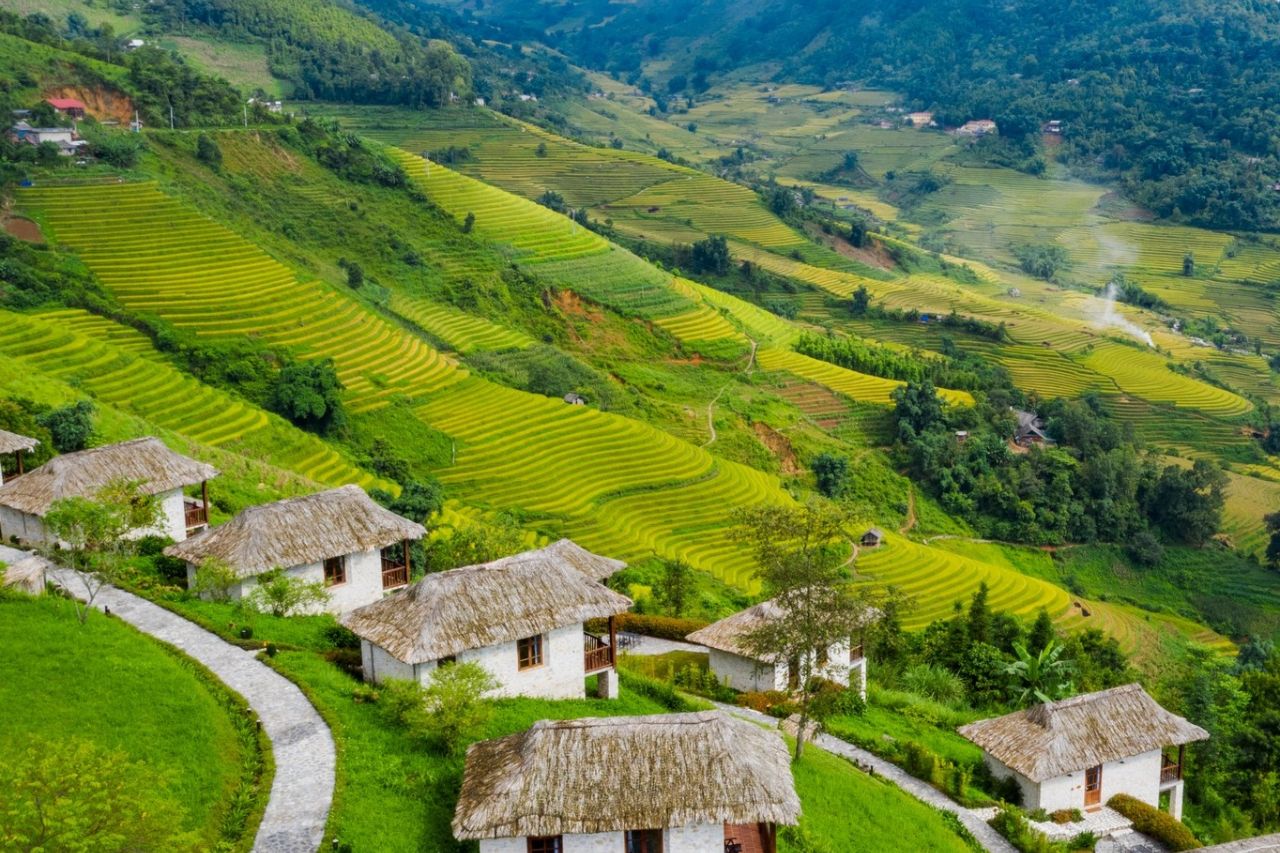
Up in the mountains of northern Vietnam, Sa Pa offers cool weather and gorgeous vistas that have captivated many Korean travelers. Sapa is known for its terraced rice fields, which ripple down the valleys in shades of green and gold. A favorite activity is trekking to ethnic minority villages (like Cat Cat or Ta Van) to experience local culture and enjoy the scenery. Active travelers from Korea revel in Sapa’s opportunities for hiking and even multi-day treks. Don’t worry – if trekking isn’t your thing, you can take the Fansipan cable car to the top of Vietnam’s highest peak, Fansipan Mountain, for panoramic views above the clouds. At night, Sapa town’s central square comes alive with local markets where you can buy handmade textiles – great souvenirs! The town also has a charming French colonial church and plenty of BBQ eateries (grilled chicken and sticky rice are a must-try on chilly evenings). With its misty mountains and cultural richness, Sapa often reminds Korean visitors of rural scenes in K-dramas, making it both exotic and oddly familiar. The best times to go are spring (for blossoms) or autumn (for golden rice terraces in early October).
Đà Nẵng

When it comes to beach getaways, Da Nang is the absolute superstar for Korean tourists. This coastal city in central Vietnam has it all: clean, sandy beaches, a vibrant city center, and spectacular attractions. In fact, Da Nang has become the top destination for South Korean tourists in Vietnam – and for good reason. The famous Mỹ Khê Beach (once named by Forbes as one of the most beautiful beaches) is perfect for swimming and beach lounging. Adventure-seekers can head to Bà Nà Hills theme park to walk across the renowned Golden Bridge held by giant stone hands, a scene that’s been all over Instagram and particularly popular with Korean visitors. The city itself is very welcoming to Koreans; you’ll find Korean restaurants and signs in Korean due to the large number of visitors. Don’t miss the Dragon Bridge downtown – every weekend night around 9 PM, it breathes fire and water, creating a fun spectacle! Da Nang’s appeal also lies in its modern conveniences (big malls, international resorts) combined with natural beauty (the Son Tra Peninsula offers great ocean views and even wild monkeys). With many direct flights from Seoul and Busan, Da Nang is a convenient and comforting choice – many Korean travelers return here again and again for its laid-back yet lively vibe.
Hội An

Just a short drive from Da Nang is the ancient town of Hội An, a favorite for Korean couples, families, and anyone looking for a bit of romance and culture. Hoi An is a UNESCO World Heritage site known for its well-preserved old town – picture yellow merchant houses, wooden shopfronts, and a river adorned with lanterns. Korean tourists often time their visit for the monthly Lantern Festival (on the full moon), when the town switches off electric lights and thousands of colorful lanterns glow in the night – a truly enchanting scene. Strolling the streets, you’ll find tailor shops that can whip up a custom suit or an áo dài (Vietnamese traditional dress) within a day or two – a popular souvenir experience! Many Korean visitors get fitted for elegant dresses or suits as a unique memento. Other highlights include the Japanese Covered Bridge (icon of the town) and taking a cooking class to learn Vietnamese dishes. Hoi An’s food scene is fantastic – be sure to try cao lầu noodles or bánh mì at the local stalls. The town has a friendly, artistic atmosphere (lots of cafés and art galleries) that resonates with travelers seeking a slower pace. Plus, its proximity to Da Nang’s beaches means you can have both cultural exploration and beach relaxation in one trip. Little wonder Hoi An frequently ranks among the top preferred destinations by South Korean tourists.
Nha Trang

If sun, sea, and a bit of city buzz are what you crave, Nha Trang is an ideal pick. This south-central beach city has been beloved by international visitors for years and is now climbing the ranks for Korean travelers as well. Nha Trang boasts a long stretch of beachfront with palm trees and a lively promenade. You can enjoy island-hopping tours – popular stops include Hòn Mun for snorkeling amid coral reefs, or Hòn Tằm for water sports. Many Korean tourists also indulge in Nha Trang’s famous mud bath spas for a fun and relaxing experience (who doesn’t love a little wellness time?). The city offers plentiful dining options including seafood BBQ restaurants and even some Korean eateries if you miss home flavors. For families, the VinWonders Nha Trang island resort (accessed by a scenic over-water cable car) is a hit – it’s like a mini theme park + water park + aquarium. Nha Trang is also known for scuba diving; even if you’re new to it, there are beginner-friendly dive tours. With over 300 days of sunshine a year and a shorter rainy season, the weather here is reliably beach-friendly. It’s easy to see why Nha Trang, with its blend of natural beauty and activities, ranks high among Korean tourists’ favorite spots.
Phú Quốc

Phu Quoc is Vietnam’s largest island, located in the far south, and it’s quickly becoming the tropical escape for those “honeymoon vibes.” In recent years, more and more Korean travelers have been discovering this island’s white sand beaches and luxury resorts. Phu Quoc has a laid-back atmosphere – think sunset palm trees and beachside BBQs – making it perfect for couples or families seeking relaxation. Korean tourists love the resort life here, with many affordable 5-star resorts offering private beach access. For adventure, you can take the world’s longest over-sea cable car to Hòn Thơm Island for panoramas, or go snorkeling in the An Thoi archipelago to see colorful fish. Phu Quoc is also famous for its pearl farms – a lot of visitors pick up pearl jewelry as a special souvenir. The island’s night market is a fun outing to try local foods (grilled squid, anyone?) and buy pepper or fish sauce (Phu Quoc produces Vietnam’s best pepper and nuoc mam). Weather-wise, it’s great almost year-round, but avoid the peak rainy months of July–September when storms can roll in. The rest of the year is hot, sunny, and downright sublime in winter (Dec–Feb) for a beach getaway. With direct flights from Korea now available, Phu Quoc is popping up on many Korean travelers’ itineraries as an exotic yet accessible paradise.
(Aside from these, other places like Ho Chi Minh City (Saigon) – Vietnam’s biggest metropolis – also see many Korean tourists for its shopping and food, and highland city Đà Lạt for its flowers and cool climate. But the list above covers the hotspots most Korean independent travelers are heading to.)
Best Time to Visit Vietnam
When should you travel to Vietnam? The answer can vary because Vietnam’s climate is diverse – the country stretches from temperate north to tropical south. However, a general sweet spot for weather is spring (March–May), which offers pleasant conditions in most regions. Another great period is autumn (September–November), when skies are often clear and temperatures moderate, especially in the north and center. There’s a popular saying that there’s no bad time to visit Vietnam since if one region is rainy, another will be sunny – it all depends on where you go!
To help plan, here’s a quick breakdown:
-
North Vietnam (Hanoi, Halong, Sapa): Four distinct seasons. Autumn (Oct–Nov) is gorgeous in Hanoi – cool air (~25°C) and clear skies, ideal for sightseeing. Spring (March–April) is also lovely with mild warmth and blooming flowers. Winters (Dec–Feb) can get quite chilly (even down to 10°C in Hanoi, and Sapa can see frost or a rare snowfall!), so pack a coat if visiting then. Summer (May–Aug) is hot and humid with intermittent rains; on the plus side, that’s when you’ll see lush green rice fields and it’s great beach weather in Halong Bay (though occasional tropical storms might cancel cruises). If you visit Sapa in summer, expect rain and mud on the treks, whereas April and October in Sapa are picture-perfect with blooming valleys and golden terraces.
-
Central Vietnam (Huế, Da Nang, Hoi An, Nha Trang): This region has a different weather pattern. The dry, sunny season runs roughly from February to August. Da Nang and Hoi An are hottest in mid-summer (~35°C in July) but that’s also when the beach is fantastic. From September to January, central Vietnam sees its monsoon – expect rain and even typhoons especially around October. Hoi An, for example, often has heavy rains in Oct–Nov and occasional floods. If you’re planning a trip focused on Da Nang/Hoi An, spring (March-May) is ideal – warm enough for the beach, but not yet peak rainy season. Nha Trang is a bit luckier with weather: it boasts over 300 sunny days a year, with only a short wetter period in late fall, so you can visit Nha Trang almost anytime.
-
Southern Vietnam (Ho Chi Minh City, Mekong Delta, Phu Quoc): Consistently warm year-round (around 28–34°C). Here there are two seasons: dry season (December–April) and rainy season (May–November). The dry season is generally the best time for the south – it’s hot but more comfortable (less humidity, lots of sun). It’s perfect for visiting Ho Chi Minh City and for beach time on Phu Quoc in winter. The rainy season in the south means daily showers, usually in the afternoon, but don’t be discouraged – the rains are often short and refreshing, and the landscape becomes lush. If you travel in June–August, just carry an umbrella for the quick rainstorms and you’ll be fine (plus there are fewer tourists around then). Phu Quoc island is stunning in the dry months (Oct to June) but try to avoid July–September when ferries can halt due to storms and beaches aren’t at their best.
Besides weather, consider Vietnam’s festivals and holidays. The Lunar New Year (Tết) falls in late Jan or early Feb; it’s an incredible cultural experience with flower markets and celebrations, but many businesses close as locals return to their hometowns, and transport can be busy. If you don’t mind the holiday rush (and a spike in local travel prices), seeing Vietnam during Tết can be memorable – cities like Hanoi and Ho Chi Minh City are decked out in red and gold decorations, and you may catch fireworks and lion dance. Another event is the Mid-Autumn Festival (around September) featuring lantern processions (lovely if you’re in Hoi An or Hanoi with children carrying lanterns). In the summer, Da Nang International Fireworks Festival (late May to July) lights up the sky with spectacular fireworks shows every week – a hit with tourists and locals alike. Beach destinations also host fun events; for example, Nha Trang’s Sea Festival (usually held in June biennially) showcases music, parades, and water sports.
In summary: For a bit of everything, April or November are fantastic months to tour Vietnam from north to south. If you’re mainly hitting the beaches, June–August offers great beach weather in central and northern Vietnam (and this coincides with Korean summer holidays), though be ready for some heat. If you love cooler weather and festivals, January–February can be nice (just pre-book for the Tết holiday). No matter when you go, pack layers and a sense of adventure – Vietnam’s varied climate means you might wear a coat in Sapa and shorts in Saigon on the same trip!
Hotel Suggestions
Vietnam has a wide range of accommodation, from budget hostels to ultra-luxury resorts. For Korean travelers who often seek comfort, convenience, and a bit of pampering at a good price, here are some 4–5 star hotels and resorts in the popular destinations above. (The great thing is Vietnam’s high-end hotels are generally more affordable than those in Korea, so you can enjoy luxury without breaking the bank!)
-
Hanoi: Lotte Hotel Hanoi – A five-star hotel co-owned by Korea’s Lotte group, offering a taste of home with Korean-speaking staff and even Korean dishes at breakfast. It’s in a high-rise tower with an amazing sky observation deck. For history and French colonial elegance, the Sofitel Legend Metropole Hanoi is legendary (many dignitaries have stayed here). It’s pricier, but you’ll experience classic luxury – afternoon tea and jazz in a beautiful courtyard. For a boutique option in the Old Quarter, consider La Siesta Premium or Apricot Hotel (overlooking Hoan Kiem Lake) – they offer 4+ star comfort with local flair at a reasonable cost.
-
Ha Long Bay: Rather than a traditional hotel, the top “rooms” here are on overnight cruise boats. Companies like Paradise Cruises, Indochina Junk, or Ambassador Cruise offer 4–5 star boats with plush cabins, sundecks, and even karaoke rooms (a hit with Korean groups!). You’ll sleep in a comfy en-suite cabin while anchored amid the islands – an unforgettable experience. If you prefer staying on land, Vinpearl Resort & Spa Ha Long is a gorgeous 5-star resort on a private island, and Wyndham Legend Halong is a modern hotel on the bayfront in Bai Chay town. Both have pools and views of the bay. But we highly recommend trying at least a one-night cruise to fully appreciate Ha Long Bay’s beauty at sunrise and sunset.
-
Ninh Binh: The charm here is in boutique resorts set in nature. A popular choice is Tam Coc Garden Resort, a 4-star eco-retreat nestled among rice fields and limestone peaks – it feels like a peaceful village hideaway (with a pool!). Another is Ninh Binh Hidden Charm Hotel & Resort, which offers modern comforts and a convenient location near Tam Coc boats. If you want a touch of luxury, Emeralda Resort Ninh Binh (5-star) is built like a Tonkinese village next to a quiet lake and park – great for relaxation and very family-friendly (they have bikes and a spa). Prices in Ninh Binh for high-end stays are very reasonable, often under 100 USD/night even for the nicest places.
-
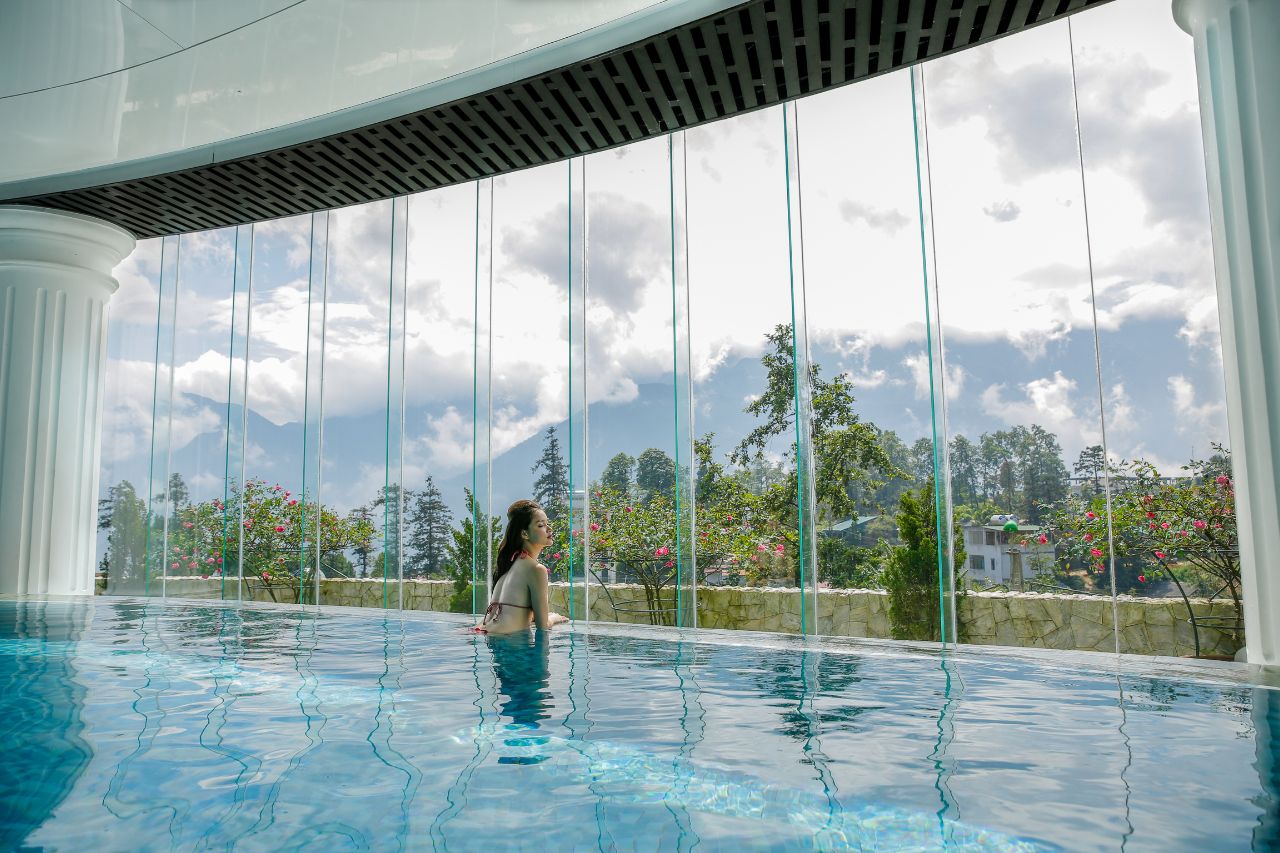
Sapa: Up in the mountains, one standout is Hotel de la Coupole – MGallery by Sofitel. This 5-star hotel is designed by a famous architect (with vibrant colors and Indochine-inspired decor) – it feels like a French haute couture meets hill-tribe culture fantasy. It has an indoor heated pool which is perfect after a cold day out. Another favorite is Silk Path Grand Resort Sapa, which offers villa-style rooms, a lovely garden and views of Fansipan on clear days. For something different, Topas Ecolodge (outside Sapa town) provides luxury rustic bungalows on a hilltop – pricey, but NatGeo has rated it highly for eco-lodges. Even mid-range hotels in Sapa, like Sapa Horizon or Amazing Hotel Sapa, often have balconies with mountain views. And don’t worry – almost all Sapa hotels have heating or electric blankets for winter!
-
Da Nang: Being a resort haven, Da Nang has no shortage of swanky stays. If you’re splurging, the InterContinental Danang Sun Peninsula Resort is phenomenal – located on a private bay of the Son Trà Peninsula, it’s where world leaders stayed during the 2017 APEC summit! For a luxury stay that’s a bit more budget-friendly, try Furama Resort or Hyatt Regency Danang, both situated right on the beach with multiple pools and dining options. Many Korean travelers also love Shilla Monogram Quangnam Danang, a five-star beachfront resort by South Korea’s Shilla group, known for top-notch service (the familiarity of Korean hospitality in Vietnam is a nice touch!). Within the city, Novotel Danang is a solid 4-star choice on the Han River – convenient for city exploration and famous for its rooftop bar. Another new landmark is Lotte Hotel Danang, a luxury high-rise with views of the Dragon Bridge – it opened recently and has quickly gained praise (including from Korean guests) for beautiful rooms and an infinity pool. The best part: even these high-end resorts often cost a fraction of what similar hotels in Jeju or Busan might, so you can enjoy a 5-star holiday for maybe 4-star prices.
-
Hội An: For proximity to the Old Town, Hotel Royal Hoi An – MGallery is a chic 5-star boutique hotel right on the river, walking distance to the sights. It blends Japanese and Vietnamese design (fitting for Hoi An’s heritage) and has a gorgeous rooftop pool. Anantara Hoi An Resort is another excellent 4-star, set in low-rise colonial buildings along the Thu Bon River – known for very warm service and a relaxing vibe. If you prefer a beach stay with shuttle access to the old town, the Four Seasons Resort The Nam Hai (just outside Hoi An) is one of Vietnam’s most luxurious beach resorts – private villas, plunge pools, and impeccable service (though it comes with a high price tag). For more budget-conscious luxury, Allegro Hoi An or Little Riverside Hoi An are charming boutique 5-stars with rates often under $120/night and great amenities (spa, pool) – very popular among international travelers. Whichever you choose, Hoi An’s hotels often provide free bicycles for guests, so you can cycle around town like a local!
-
Nha Trang: In the city center, you can’t go wrong with InterContinental Nha Trang or Sheraton Nha Trang. Both are 5-star high-rises along Tran Phu Beach, offering ocean-view rooms, renowned breakfast spreads, and even cooking classes. They are known for exceptional service (Sheraton even has a popular infinity pool bar). For a resort experience, Vinpearl Resort Nha Trang on Hon Tre Island is a hit, especially for families – you get the resort beach plus access to the VinWonders amusement park and water park (great if you have kids). It’s like a mini Disneyland + beach vacation. A more boutique luxury pick is Mia Resort Nha Trang, located in a quieter bay south of the city – it has private beach villas and a very tranquil atmosphere (popular with couples). Considering Nha Trang’s Russian tourism history, many staff also speak multiple languages, so language is seldom an issue. Expect room rates in top hotels to be quite reasonable – you might find 5-star rooms for $100–150 depending on season, which is good value for the quality.
-
Phú Quốc: This island is all about the resort lifestyle. A standout is the JW Marriott Phu Quoc Emerald Bay, an over-the-top luxury resort designed as an old French-Vietnamese “university” with whimsical architecture. It’s award-winning (named one of the best resorts in Asia) and known for its unique concept and private beach. For a luxurious stay that’s a bit kinder to the wallet, Salinda Resort Phu Quoc is highly recommended – it’s a 5-star boutique resort with a gorgeous pool, amazing spa, and it’s praised for exceptional service and great food (their breakfast pho is said to be delicious!). Another favorite is InterContinental Phu Quoc Long Beach Resort, which has a fun sky bar (Sunset Ocean View) perfect for, well, island sunsets. If you want to be near the action of “Grand World” (a new entertainment complex), there are a slew of new Vinpearl hotels up there too. For those on a slightly lower budget but still craving comfort, Dusit Princess Moonrise Beach (4-star) offers Thai hospitality and a nice beachfront at a moderate price. Keep in mind, Phu Quoc’s resorts often have package deals that include airport transfers and even tours, which can simplify your trip.
Tip: Always check if the hotel offers airport pickup, especially in smaller cities – many 4-5 star hotels in Vietnam include this for free or a small fee, which is convenient. And don’t hesitate to use Korean travel sites or agencies for booking – sometimes they have special promotions for hotels popular with Korean guests.
Vietnamese Food to Try
One of the absolute joys of visiting Vietnam is the food! Vietnamese cuisine is fresh, flavorful, and diverse – and many dishes align well with Korean tastes (think rice-based dishes, savory broths, grilled meats, lots of veggies). In fact, Vietnamese food has become quite popular in Korea itself, so you might recognize some names. Here are some must-try dishes during your trip:
-
Phở (Noodle Soup): You can’t come to Vietnam and not eat phở! This famous noodle soup is comfort in a bowl. Typically, you’ll choose between phở bò (beef) or phở gà (chicken). The steaming broth, made from simmering bones with spices like cinnamon and star anise, is poured over flat rice noodles and thinly sliced meat, topped with fresh herbs. Koreans who enjoy seolleongtang (ox bone soup) or galbitang will appreciate pho’s rich broth. Slurp it up for breakfast like the locals do. You’ll find great phở everywhere – from street stalls to fancy restaurants. Don’t forget to add a squeeze of lime and taste the broth before you decide if it needs a dash of chili or fish sauce. Fun fact: Many Koreans already love pho – a 2023 article noted that dishes like “pho”, “nem” and “bun cha” have captured the hearts of Korean people!
-
Gỏi cuốn (Fresh Spring Rolls): These are light, fresh and delicious – perfect for a healthy snack. Think of them as the summer roll cousin of fried spring rolls. Transparent rice paper wraps around vermicelli noodles, herbs, lettuce, and usually shrimp or pork. Dip these rolls in peanut-hoisin sauce or nuoc cham (tangy fish sauce dip). It’s a flavor burst but not spicy – likely to please Korean palates. Plus, wrapping things in lettuce with sauce feels a bit like eating gimbap or lettuce wraps in Korean cuisine. 😄 If you prefer something crispy, try chả giò / nem rán (fried spring rolls). Vietnamese fried rolls are usually smaller and filled with minced pork, mushroom, and veggies – superb with a dip in fish sauce. These “nem” rolls are very popular with Korean diners back home too.
-
Bánh mì (Vietnamese Sandwich): Vietnam’s famous sandwich shows off its French influence. A crisp baguette is stuffed with fillings like grilled pork, pâté, sliced ham, pickled carrot and daikon, cucumber, cilantro, and a smear of chili mayo – so good! It’s a perfect on-the-go meal or afternoon snack. Korean travelers often marvel at how a sandwich can have such a perfect bread crunch and balance of sweet-sour-spicy. In big cities you might even find fusion takes like bulgogi bánh mì, but try the classic bánh mì thịt first. They’re cheap (maybe 20,000đ, under $1) and sold everywhere from street carts to cafes. Don’t be surprised if you end up eating one every day – they’re addictive.
-
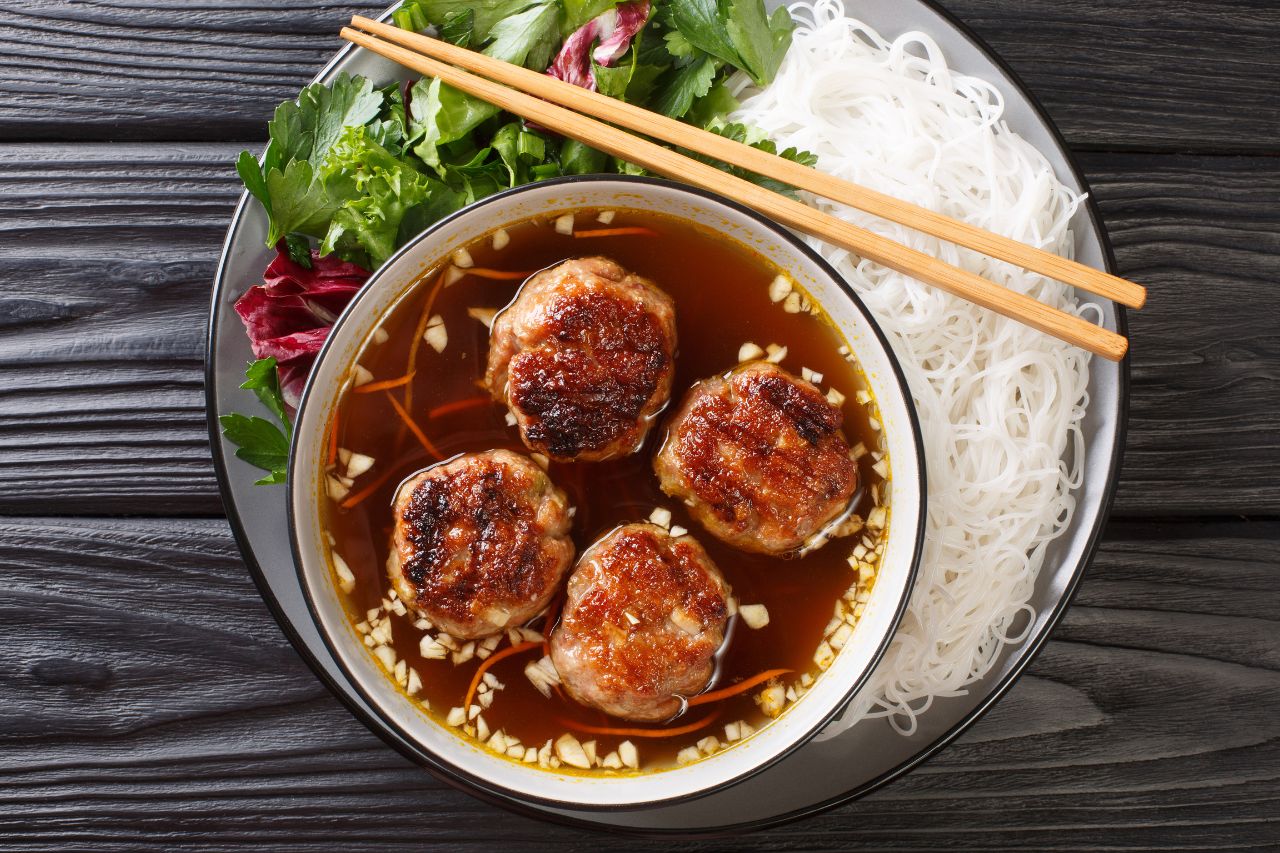
Bún chả: If your travels take you to Hanoi (and they likely will), you must try bun cha. This dish famously charmed President Obama and Anthony Bourdain when they dined together in Hanoi. It consists of grilled pork patties and slices served in a bowl of tangy-sweet fish sauce broth with pickled veggies. You get a plate of rice vermicelli noodles and fresh herbs on the side, and you dip them into the bowl with the meat. The flavor is smoky, savory, and slightly sweet – somewhat akin to galbi flavors, so many Koreans love it. In fact, bun cha has been gaining popularity among Korean foodies. It’s typically a lunch food. Look for a busy local shop – the aroma of meat grilling over charcoal will lead you there. Enjoy it with a side of Nem cua bể (crab spring rolls) if you’re extra hungry.
-
Bánh xèo: These sizzling Vietnamese pancakes are a fun street-food style dish to try, especially in the south/central regions. A thin rice flour and turmeric batter is fried like a crepe, filled with shrimp, pork, and bean sprouts, folded crispy. To eat, you cut a piece, wrap it in lettuce with herbs, and dunk in fish sauce dip – almost like the way Koreans wrap bossam. The contrast of the crispy pancake, fresh greens, and sweet-sour sauce is fantastic. It’s called “bánh xèo” literally because of the “sizzling sound” it makes on the pan. One portion usually gives you 2-3 big pancakes to share. Korean travelers often find this dish satisfying and fun, as it’s interactive and you can adjust each wrap to your taste (add extra perilla leaf for that familiar flavor if you like – yes, Vietnamese cuisine also uses perilla!).
-
Cao lầu: If you’re in Hội An, try this regional specialty. Cao lau are thick chewy noodles (like udon and soba had a baby) served with char siu-style pork, herbs, and a small amount of broth for flavor. Legend says the noodles are made with local well water and lye, giving them a special texture that can’t be replicated elsewhere. It’s a mild yet savory dish – not spicy, often topped with crispy rice crackers. A good pick for those who enjoy noodle dishes but want something different from pho or bun.
-
Seafood & BBQ: Along Vietnam’s coast, seafood is ultra-fresh and plentiful. In places like Da Nang, Nha Trang, or Phu Quoc, be sure to have a seafood feast. Many casual restaurants let you pick live seafood (fish, prawns, squid, shellfish) and they grill or steam it to order. Grilled scallops with green onion and peanut, steam lemongrass clams, and grilled squid with chili are popular. Vietnamese seafood often comes with a simple lime-salt-pepper dipping mix that enhances the natural flavors. Koreans who love hoe (raw fish) might also try gỏi cá (Vietnamese fish salad or raw fish wrapped in rice paper) in coastal areas. Vietnam also has its own take on BBQ – look for quán nướng where you grill marinated meats table-side, similar to Korean BBQ but with different marinades (like lemongrass and sesame). It’s a fun way to compare barbecue styles and enjoy a soju or local beer alongside!
-
Coffee, Coffee, Coffee: Okay, not a dish, but Vietnamese coffee deserves a shout-out. Vietnam is the world’s second-largest coffee producer, and the coffee culture here is strong (pun intended). Vietnamese cà phê sữa đá (iced coffee with condensed milk) will give you a sweet caffeine kick to fuel your sightseeing. The taste is bold and chocolatey due to robusta beans – a style quite different from Americano, but Korean travelers with a sweet tooth often love it. In Hanoi, don’t miss egg coffee (cà phê trứng), a unique concoction where a whipped egg yolk-sweet milk foam is layered on espresso – it tastes like tiramisu in a cup. In Saigon, try coconut coffee, a refreshing blend of iced coffee and coconut milk. These coffee specialties are not only delicious but also photogenic for your travel diary. Interestingly, bringing home Vietnamese coffee and the small phin dripper is super popular among Koreans – the brewing method and taste fascinate coffee lovers. So as you travel, take time to sit at a street café, sip slowly, and people-watch – it’s a quintessential Vietnam experience.
Of course, this list could go on (bún bò Huế spicy beef noodle soup, mi Quang turmeric noodles, various tropical fruits like mangosteen or dragonfruit you should try, desserts like chè sweet soups, etc.) – but these are some highlights to start with. Vietnamese cuisine is generally not too spicy (you can add chili to your liking), and it’s full of herbs and vegetables, which Koreans tend to appreciate for health and balance. Many Vietnamese dishes have won over Korean diners’ hearts back home, so enjoy tasting them right at the source. Don’t be shy to eat like a local: squat on a little plastic stool by a street stall with locals – those often turn out to be the most memorable meals!
Shopping in Vietnam
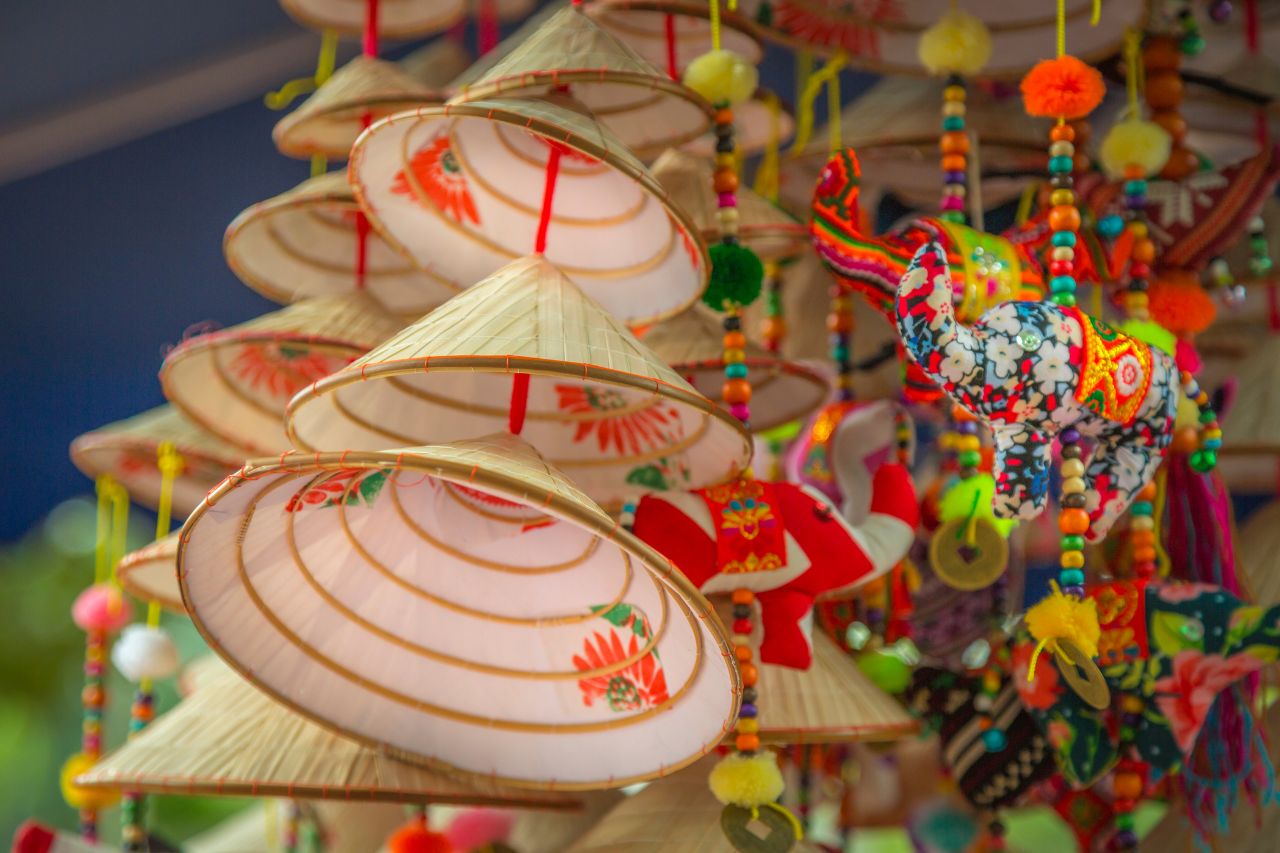
Shopping in Vietnam is an adventure in itself, and it can be delightfully affordable. Korean tourists often find great joy in hunting for unique souvenirs, crafts, and local products to bring home. Here are popular shopping areas and souvenirs to look out for, plus what fellow Korean travelers tend to buy:
-
Traditional Markets & Night Markets: Every big city has central markets – like Bến Thành Market in Ho Chi Minh City or Đồng Xuân Market in Hanoi. These are great for a bit of everything: textiles, coffee, snacks, and knick-knacks. Be ready to bargain – it’s part of the culture (start at half the quoted price and haggle with a smile). Night markets in the Old Quarter of Hanoi or the walking street in Huế, and the Hoi An Night Market (with all those lanterns) are fun evening outings. In these markets, you’ll often hear vendors call out “Annyeong!” when they spot Korean visitors – a friendly (if a bit salesy) gesture showing how common Korean tourists are now. 😊 For a more modern shopping experience, cities like Hanoi, Da Nang, and HCMC have malls (e.g., Lotte Mart, Vincom Center) where you can find international and local brands (and escape the heat for a while).
-
Silk and Tailoring: Vietnam is known for its silk products and fine tailoring. Hoi An is tailoring heaven – many Koreans get custom-made suits, dresses, or even traditional ao dai done in 24-48 hours. The quality is good and price much lower than back home. If you prefer ready-made, silk scarves, ties, or embroidered linens (table runners, pillow covers) make lovely gifts. Popular spots include Van Phuc Silk Village (near Hanoi) for authentic Vietnamese silk. Silk and handcrafted textiles are high on the list of recommended souvenirs, and indeed many Korean visitors buy silk pajamas or robes for family.
-
Coffee and Tea: As mentioned, Vietnamese coffee is a top buy. Packs of Trung Nguyên or Highlands coffee, or local beans from Dalat, plus the metal phin filter sets, are very popular souvenirs (and they’re lightweight for packing). You can also find instant G7 coffee packets that have a cult following in Korea for being tasty and convenient. Don’t forget Vietnamese tea – varieties like lotus tea or artichoke tea (a specialty of Da Lat) are unique gifts. Pro tip: Many souvenir shops offer coffee sets with the filter included, perfect for gifting. Some Korean travelers even buy the canned Cà phê sữa đá as a novelty for friends. Indeed, Vietnamese coffee with a phin dripper is often highlighted as a top gift that Korean friends and family love.
-
Local Snacks and Spices: Vietnamese dried fruits and nuts make excellent snacks to take home. Dried mango, jackfruit chips, coconut candies, and cashew nuts (Vietnam is a huge cashew producer) are delicious and usually come vacuum-sealed. They are healthy and unique enough to impress folks back home. You can buy these at supermarkets or in markets (look for brands like Vinamit for dried fruit). Fish sauce and Phú Quốc pepper are famous, but fish sauce is tricky to pack (liquid in glass) and can leak – if you do, wrap it like crazy and put in checked luggage. Peppercorns, on the other hand, are easy to carry; Phu Quoc’s black pepper is aromatic and sought-after by chefs. Also consider sachets of local spice mixes (like bò kho spice for stews, or chili lemongrass marinade) if you or your friends enjoy cooking.
-
Handicrafts & Art: Vietnam’s handicrafts are beautiful and affordable. Some favorites:
-
Lacquerware: Those glossy vases, plates, or paintings made with traditional lacquer technique are iconic Vietnam souvenirs. They often have mother-of-pearl inlay designs. You can find jewelry boxes, coasters, or wall art – they look high-end but cost much less than they would in Korea.
-
Ceramics: The porcelain and pottery from villages like Bát Tràng (near Hanoi) or Bien Hoa (south) are lovely. Think tea sets, bowls, or decorative figurines. They’re a bit heavy to carry, but many shops will pack them in styrofoam for you. A tea set with a Vietnamese motif can be a great gift for parents or in-laws (and hey, tea culture is appreciated in Korea too).
-
Lanterns: Those colorful silk lanterns you see in Hội An can be bought flat-packed. They add a romantic touch to any room back home. In Hoi An night market you can get a medium-sized lantern for a few dollars – they collapse into a small disc, very suitcase-friendly.
-
Hand Embroidery: Vietnam has a tradition of delicate embroidery. Tablecloths, bookmarks, or paintings on silk are available. These make for elegant gifts (perhaps for moms and grandmas who’d appreciate the craftsmanship).
-
Wooden souvenirs: Carved wooden animals, masks, or bamboo products (bamboo spoons, chopsticks, woven baskets) are often found in markets. They’re inexpensive and show off the rustic charm.
-
Propaganda art and souvenirs: For something quirky, shops sell replica vintage propaganda posters (with slogans from wartime era) – some tourists love these as retro art for their walls. There are also T-shirts or tote bags with these prints.
-
-
Clothes and Accessories: You’ll notice many tourists wearing the nón lá (traditional conical hat) for fun photos – you can buy one for just a couple of dollars at any market. It’s a cute decorative item to hang on a wall or use as shade in summer. Also, in cities like HCMC or Hanoi, young designers have boutiques for cool souvenirs: for example, cotton T-shirts with Vietnamese prints, coffee-scented candles, or even Ao Dai-inspired modern dresses. If you visit Saigon’s Ben Thanh night market or Danang’s Han Market, you’ll see plenty of knock-off bags and sportswear at cheap prices – quality varies, so use your judgment. Genuine local brands like Marou Chocolate (artisan Vietnamese chocolate bars) or Saigon Swagger (bags) are nice non-traditional souvenirs too.
Korean tourists often focus on coffee, snacks, and practical gifts (like that pretty ceramic tea set or silk scarves) as they’re appreciated by folks back home. One thing to keep in mind: duty-free limits and luggage space. It’s easy to get carried away with cheap prices – suddenly you have 3kg of coffee! Remember Korea’s customs allowance for food items and such. Generally, dry foods and packaged goods are fine, but avoid any fresh produce or anything that might spoil.
Lastly, tax refund: Some large stores offer VAT refunds for purchases over a certain amount (2 million VND or so) – if you do splurge on a big item in one go, ask about VAT refund and have your passport (and keep receipts). You can claim it at the airport on departure.
Happy shopping (쇼핑 즐거운 시간 되세요)! Vietnam’s markets are a treasure trove – and haggling politely can even be a fun cultural interaction. Don’t be afraid to engage with the sellers, many of whom speak enough English (and sometimes Korean phrases) to bargain. You’ll come home with not just souvenirs, but stories behind each one.
Vietnamese Culture Tips
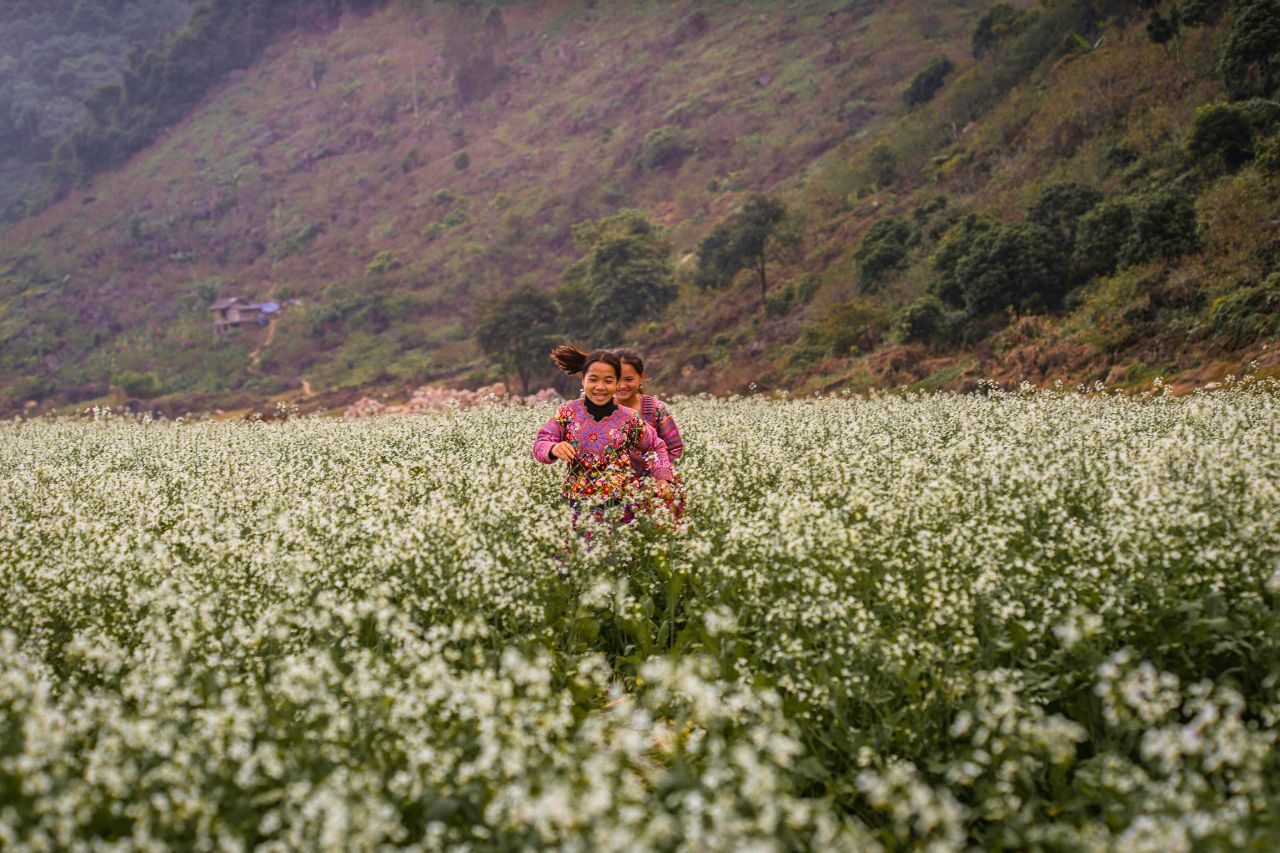
Vietnamese culture is warm, diverse, and in many ways shares some similarities with Korean culture (such as the importance of respecting elders). However, there are also unique aspects to be mindful of. Here are some friendly cultural tips and etiquette insights to help Korean tourists travel respectfully and comfortably in Vietnam:
-
Greetings and Respect: The Vietnamese generally greet with a smile and a slight nod or handshake. A little bow (not as deep as in Korea) can be a nice touch but isn’t required – just be natural. Use both hands or your right hand (not left alone) when giving/receiving things like money or business cards, as it shows respect (Koreans do this too, so it should come naturally). You might notice Vietnamese will address older men as “Anh” (older brother) or women as “Chị” (older sister) etc., to be polite. As a foreigner, a simple “Xin chào” (hello) goes a long way, and addressing someone by Mr./Ms. + first name is fine. If someone gives you their business card, take a moment to look at it before keeping it – a polite gesture also common in Korea.
-
Saving Face: Like many Asian cultures, keeping face and harmony is important in Vietnam. Locals tend to avoid confrontation or anything that might cause embarrassment publicly. Try to remain calm and smile even if there’s a minor issue (like a miscommunication or a delayed service). Raising your voice or showing anger in public will likely not help; instead, it could make people uncomfortable. If you have a problem, approach it gently and privately if possible. Vietnamese are generally very eager to help tourists, especially if you treat them with the same courtesy. Also, public displays of affection are toned down – friends might hold hands, but couples kissing or hugging excessively in public might draw stares. As a visitor, just be mindful of local modesty norms.
-
Temple and Home Etiquette: Vietnam has many Buddhist temples, pagodas, and communal houses that you’ll likely visit. When entering these, dress modestly – cover your shoulders and knees, similar to visiting a Korean temple. Always remove your shoes and hat before entering a temple building or someone’s home. In homes, usually people will offer you slippers or everyone just goes barefoot inside. Never step over or on any altar threshold (some homes have floor-level altars – walk around them). In temples, don’t point your feet at Buddha statues (if sitting, tuck legs to the side). Vietnamese worship often with incense and small offerings; as a tourist you can observe or quietly take part if appropriate (sometimes they’ll invite you to light incense – use both hands to take it, bow lightly when placing it). When in doubt, just follow what others do and you’ll be fine.
-
Gestures and Body Language: A few things to avoid: Don’t ever touch someone’s head – it’s considered rude (much like in other Asian cultures, the head is sacred). Using your feet to point or kick something (like moving a chair with your foot) is impolite – feet are seen as dirty. When beckoning someone, do it with your hand palm down, not palm up (the palm-up finger wag could be seen as calling someone like a dog). And though Vietnamese are generally pretty relaxed, it’s polite not to stand with your hands on your hips or arms crossed when talking, as it can seem aggressive. A friendly posture and smile works wonders.
-
Language & Communication: English is not universally spoken, but in touristy areas many people speak some English, and you’ll even find some who speak a bit of Korean (especially in Da Nang, Nha Trang due to the influx of Korean visitors). Young Vietnamese are often shy but excited to practice English – be patient as they find words. It doesn’t hurt to learn a few simple Vietnamese phrases: “Xin chào” (hello), “Cảm ơn” (thank you), “Bao nhiêu?” (How much?), etc. Also, Vietnamese names and words can be hard to pronounce due to tones – don’t worry if you get it wrong, locals appreciate the effort. Interestingly, the love of K-culture means you might randomly hear a Blackpink or BTS song playing in cafes, and locals might even drop an “Annyeonghaseyo!” when they guess you’re Korean – it’s meant in a very welcoming way. In fact, Korean pop culture is hugely popular among Vietnamese youth (one survey found 68% of urban Vietnamese liked Korean dramas), so you already have a cultural bridge – feel free to chat about K-dramas or K-pop, many locals will light up!
-
Dining & Drinking: Vietnamese people are extremely hospitable with food. If you make local friends or do a homestay, they might offer you lots of food and keep refilling your bowl – it’s their way of showing care. It’s polite to try a bit of everything. In Vietnamese dining, sharing dishes is common (similar to Korean banchan style). When using chopsticks, don’t stick them upright in your rice bowl (it looks like incense for the dead). Instead, rest them on the holder or across the bowl. Also, when you’re toasting drinks, Vietnamese say “1, 2, 3, dô!” (like “yo!”) in group cheers, which is fun to do. They also often touch the bottom of their glass to others’ if they’re younger (to show respect) – a bit like how Koreans might lower their glass. If you’re the oldest in a group, someone might offer you the honored first toast or expect you to sort of lead the cheers (not too different from Korea’s custom). Tipping isn’t a big local habit at normal eateries, but in tourist places and high-end restaurants it’s appreciated – around 5-10% is generous. No one will chase you for a tip though, so it’s up to you (guides and drivers do kind of expect tips). Remember, don’t pour your own drink first if you’re at a Vietnamese table – pour for others (especially elders) then yourself, similar to Korean drinking etiquette.
-
Traffic & Safety: You’ll quickly notice the traffic in Vietnam is… an experience! Motorbikes everywhere, seemingly no gaps to cross the road. The trick as a pedestrian is: walk steadily and predictably when crossing, and the motorbikes will skillfully flow around you. Don’t run or stop suddenly. It’s counter-intuitive, but it works – locals do it all the time. If you’re uncomfortable, try crossing with a group or near a local. In cities like Hanoi or Saigon, you might hear lots of honking – it’s usually not anger, just drivers saying “I’m here!” on the road. As far as safety, Vietnam is generally very safe for tourists – violent crime is rare. However, petty theft can happen in crowded areas, so keep your purse zipped and your phone secure, especially in busy markets or when riding cyclos/motorbike taxis (there have been cases of phone snatching in HCMC). A cross-body bag is good, and just be mindful. That said, you’ll likely find Vietnamese people very honest – many Korean tourists comment on how locals often returned lost items or gave back excess change. Use common sense and you’ll be fine.
-
Photography etiquette: Vietnam is a photographer’s dream – you’ll want to snap pics of everything. Locals are generally okay with it, but if you’re taking close-ups of a person (like a portrait of a street vendor or a farmer), ask for permission first. Learn “Chụp ảnh được không?” (“May I take a photo?”) or simply mime with your camera and smile. Most will nod yes. If they say no or look hesitant, respect that and don’t take it. In some places, you might be asked to pay a small fee to take photos (e.g., in some ethnic villages or if someone is posing with a python or something as a “tourist photo op”). Also, drone usage: if you’re into drones, be cautious – it’s technically legal but restricted in certain areas (you should get permission for city or border areas). But for general travel pics, you won’t have issues. Just remember to also put the camera down and enjoy with your own eyes too!
-
Interactions and manners: You’ll find Vietnamese are generally curious and friendly towards foreigners. Don’t be surprised if someone asks you common questions like “How old are you?” or “Are you married?” – in Vietnam, as in Korea, asking age or marital status can be a way to be friendly or figure out how to address you properly (to determine if they should call you anh/chị/em). It’s usually well-intentioned, not prying. A lighthearted answer is fine. If you speak some English, many young Vietnamese might strike up a conversation to practice; if you speak a bit of Vietnamese, they will be delighted. Also, personal space can be a bit closer – you might get bumped in markets or sit shoulder-to-shoulder on a bus. It’s normal, so don’t take offense. And one more thing: smile! Vietnam is often called the land of smiles – a friendly smile goes a long way in any interaction, much like in Korea.
-
Connecting with the Korean community: Vietnam has a sizable Korean expat community (particularly in Hanoi, Ho Chi Minh, and Da Nang). That means if you ever crave a taste of home, you’ll find Korean restaurants, marts, and even churches. Some Korean tourists enjoy visiting the Korean neighborhoods like Phu My Hung in Saigon or around My Khe beach in Da Nang – you’ll see Korean signage and businesses. While the goal is to experience Vietnam, having the comfort that a Korean meal or community is around can be nice on a long trip. Vietnamese locals are quite accustomed to Koreans now and generally have a positive view (thanks to Hallyu and the many Korean companies investing in Vietnam). You might even encounter older Vietnamese who studied in the Eastern Europe bloc who suddenly sing you a Chơ ŏn-eun sarang hamnida (a Korean song) – it’s happened!
Overall, Vietnamese people are very welcoming. They appreciate visitors who respect their customs and show interest in their culture. Small gestures – like using basic Vietnamese words, dressing appropriately at a temple, or engaging about local food – will win you big smiles. You’ll likely find that even if you make a cultural faux pas, Vietnamese are not easily offended and are forgiving if you are polite. In essence, treat people with the same respect and curiosity as you would in Korea, and you’ll form some heartwarming connections during your travels.
We hope this guide helps you plan a fantastic trip to Vietnam. From visa prep to picking out silk scarves, from slurping phở to bargaining for lanterns, you’re in for an unforgettable journey. Vietnam has so much to offer to Korean travelers seeking independent adventures – a mix of the familiar and the new. Safer travels (안전한 여행 되세요), have fun, and get ready to say “Xin chào” to Vietnam!
즐거운 베트남 여행 되세요! 🇻🇳🏖️🍜✈️


